The 'blue light bad' meme has been oversimplified into uselessness. Here's the actual dose-response, how much light, at what wavelength, for how long, suppresses melatonin, and the three interventions that work versus the ones that don't.
Add beans, whole grains, fruit, vegetables, and seeds gradually. A simple fiber plan can improve meal quality without a tracking app or a dramatic diet overhaul.
Half of American adults are deficient in magnesium, and most supplements sold as 'magnesium' contain the form your body absorbs worst. Here's what glycinate, threonate, oxide, and citrate actually do, and which one belongs in your bedside drawer.
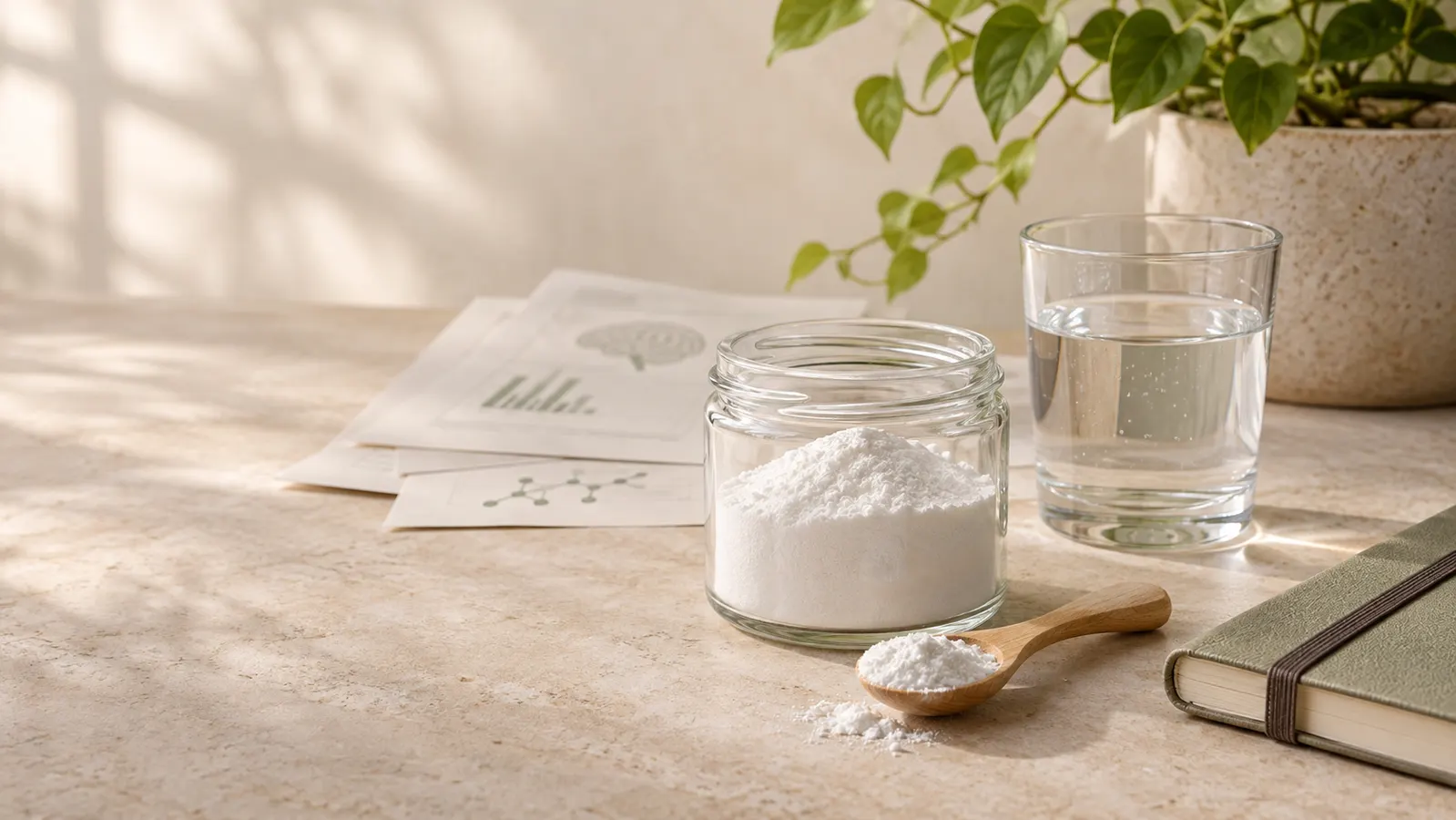
Creatine is the most-studied supplement in sports science, and the last decade of research has quietly moved it from 'muscle powder' to 'nootropic and longevity tool.' Here's what the data actually shows for brain, bone, and aging, and how to take it without the myths.
The loneliness epidemic isn't really about lacking close friends, most lonely people have those. It's about the disappearance of weak ties: the barista, the neighbor, the person at the gym. Here's why those relationships matter for mental health, and how to rebuild them.
A short, easy walk soon after eating can reduce the size of the post-meal glucose rise. Here is a practical version that does not turn every meal into a workout.
Most gym programs are built around bilateral lifts, squats, deadlifts, bench press. After 35, that leaves a gap. Here's why single-leg and single-arm work deserves a place alongside them as you age, and the specific movements that produce the biggest returns.
Walking for longevity does not require 10,000 steps. Learn how short post-meal walks, brisk sessions, and a consistent weekly habit support everyday health.
A long Finnish cohort linked frequent sauna use with lower cardiovascular and all-cause mortality. Here's what that association does—and does not—tell us about a safe routine.
A practical 14-day sleep reset to anchor your circadian rhythm, improve sleep quality, and wake more consistently without relying on supplements or gadgets.
A practical morning routine built around outdoor light, movement, and one clear priority can support steadier energy and focus without a 4 a.m. wake-up.