Blue Light After Dark: What Actually Happens to Your Melatonin
The 'blue light bad' meme has been oversimplified into uselessness. Here's the actual dose-response, how much light, at what wavelength, for how long, suppresses melatonin, and the three interventions that work versus the ones that don't.
Explore more in Recovery.

The blue-light-is-bad conversation has been running long enough that it's collapsed into two useless positions: one camp claims screens will destroy your sleep, and the other claims it's all overblown wellness paranoia. Neither is right, and the reason neither is right is that the actual answer depends on a dose-response relationship that almost nobody quotes. Blue light does suppress melatonin, but how much depends on intensity, wavelength, duration, and time of night, and the interventions that work are only some of the ones people commonly try.
Let's do this properly. What follows is the mechanism, the actual numbers from the human trials, which interventions have real evidence, and which ones are theater. If you want your evening screen time to stop wrecking your sleep, the good news is you can keep most of the screen time, you just need to change three specific things about how it hits your eyes.
What blue light actually does to melatonin
The circadian system reads light through a set of retinal cells called intrinsically photosensitive retinal ganglion cells (ipRGCs), which contain a pigment called melanopsin. Melanopsin is maximally sensitive to light around 480nm, the blue-cyan end of the visible spectrum. When these cells detect enough blue-spectrum light after dark, they signal the suprachiasmatic nucleus, which in turn tells the pineal gland to stop making melatonin. This isn't a mystical process. It's a well-mapped photoreceptor pathway, and the dose-response has been characterized in careful lab studies.
The key finding, from a landmark 2011 study by Harvard's Charles Czeisler, is that 6.5 hours of ordinary room light (about 200 lux) before bed suppressed melatonin by 50% and shifted the circadian phase by 90 minutes compared to dim light. Screen use adds to that: a bright phone held 30cm from your face is delivering another 40–80 lux of predominantly blue-enriched light directly into your ipRGCs. It's not that phones are uniquely evil; it's that they're adding a blue-heavy dose on top of an already-bright environment, at the exact time your pineal gland is trying to secrete.
"The take-home is not that all light before bed is equally bad. It's that light intensity above roughly 30 lux, blue-enriched, within two hours of bed, meaningfully delays melatonin onset in most people. Below that intensity, or with the blue wavelengths blocked, the effect largely disappears."
, Dr. Charles Czeisler, Harvard Medical School
Why 'night shift' mode isn't enough
iOS Night Shift, Android's Night Light, and f.lux all shift the color temperature of your screen toward warmer tones, which reduces blue emission. This helps, but the effect is smaller than most people think, because these modes typically only reduce blue output by 25–40% while keeping overall screen brightness constant. A 2019 BYU study found no significant difference in sleep quality between iPhone users who used Night Shift and those who didn't, because the total light dose was still high enough to suppress melatonin regardless of color temperature.
The lesson is that color-shifting alone is a partial intervention. To meaningfully change what's hitting your retinas, you need to reduce the total light intensity as well as the blue component. Turning brightness down to 20% while using warm mode gets you much closer to a real intervention than either one alone.
The three interventions that actually work
Rank-ordered by effect size and practical impact, from best to worst:
- Blue-blocking amber glasses (100% blockage below 550nm), worn from sunset until bed. Multiple RCTs show 20–58% improvement in melatonin secretion and 20–30 minutes faster sleep onset.
- Dim ambient light: turn overhead lights off after sunset and use only warm lamps under 40 lux. This alone accounts for most of the melatonin-preservation benefit.
- Screen brightness at 20% AND warm color mode: cuts total ipRGC-relevant light dose by roughly 70% versus default settings. Works, but only if you do both.
What doesn't work well enough to bother with: expensive 'blue-blocking' screen protectors (they block ~15% of blue light, effect too small to detect in trials), clear 'daytime' blue blockers with subtle amber tint (block ~20%, marketed for eyestrain, useless for sleep), and Night Shift alone. If a glasses' lens is not visibly orange, it's not blocking enough of the melanopsin-relevant wavelengths to matter for sleep.
The evening light hierarchy
If you're going to fix this, here's the priority order. First, kill overhead lights after sunset. Overhead light is bright and mostly blue-enriched, and it hits your retinas at the geometry ipRGCs are most sensitive to. Warm floor and table lamps do most of the job for evening ambient light. Second, put on amber glasses at sunset and keep them on until you get in bed. Third, turn phone and laptop brightness way down and use warm mode. Fourth, if you can, stop using screens 60 minutes before bed, but the glasses make this less critical.
Morning light: the other half of the equation
Blue light isn't the villain, evening blue light is. Morning blue light, bright, high-lux sunlight within an hour of waking, is exactly what your circadian system needs to anchor the day and produce a robust melatonin curve 14–16 hours later. People who get 5–10 minutes of outdoor light within an hour of waking are much more resilient to evening light exposure, because their circadian amplitude is stronger. If you fix only one thing, fix morning light. If you fix two, add evening blue-blockers.
The pattern to aim for is 'bright day, dim evening.' Not 'bright day, bright evening because I have things to do.' The bright evening is where the sleep problems come from, and it's the piece modern life makes almost invisibly easy to get wrong.
The one-line version
Evening blue light suppresses melatonin, but only above ~30 lux, dim your environment, wear amber-lens blockers from sunset to bed, and turn screen brightness way down. Night Shift alone isn't enough. Morning outdoor light is the underrated protective factor. Fix the ambient light hierarchy first, screens second.
Continue with Sleep Debt: Why Weekend Sleep Helps but Does Not Reset Everything, The 30-Minute Worry Window: A Small Boundary for a Busy Mind and The Anxiety-Sleep Loop: How to Break the Cycle in Two Weeks.
Questions readers ask about blue light after dark: what actually happens to your melatonin
The 'blue light bad' meme has been oversimplified into uselessness. Here's the actual dose-response, how much light, at what wavelength, for how long, suppresses melatonin, and the three interventions that work versus the ones that don't.
Anyone with a diagnosed condition, concerning symptoms, pregnancy, or medication questions should check with a qualified clinician before changing their routine.
Start with the smallest practical change, track how you respond, and stop or seek professional guidance if it causes pain, distress, or unexpected symptoms.
Tools referenced in this piece
livho High Tech Blue Light Blocking Gaming Glasses
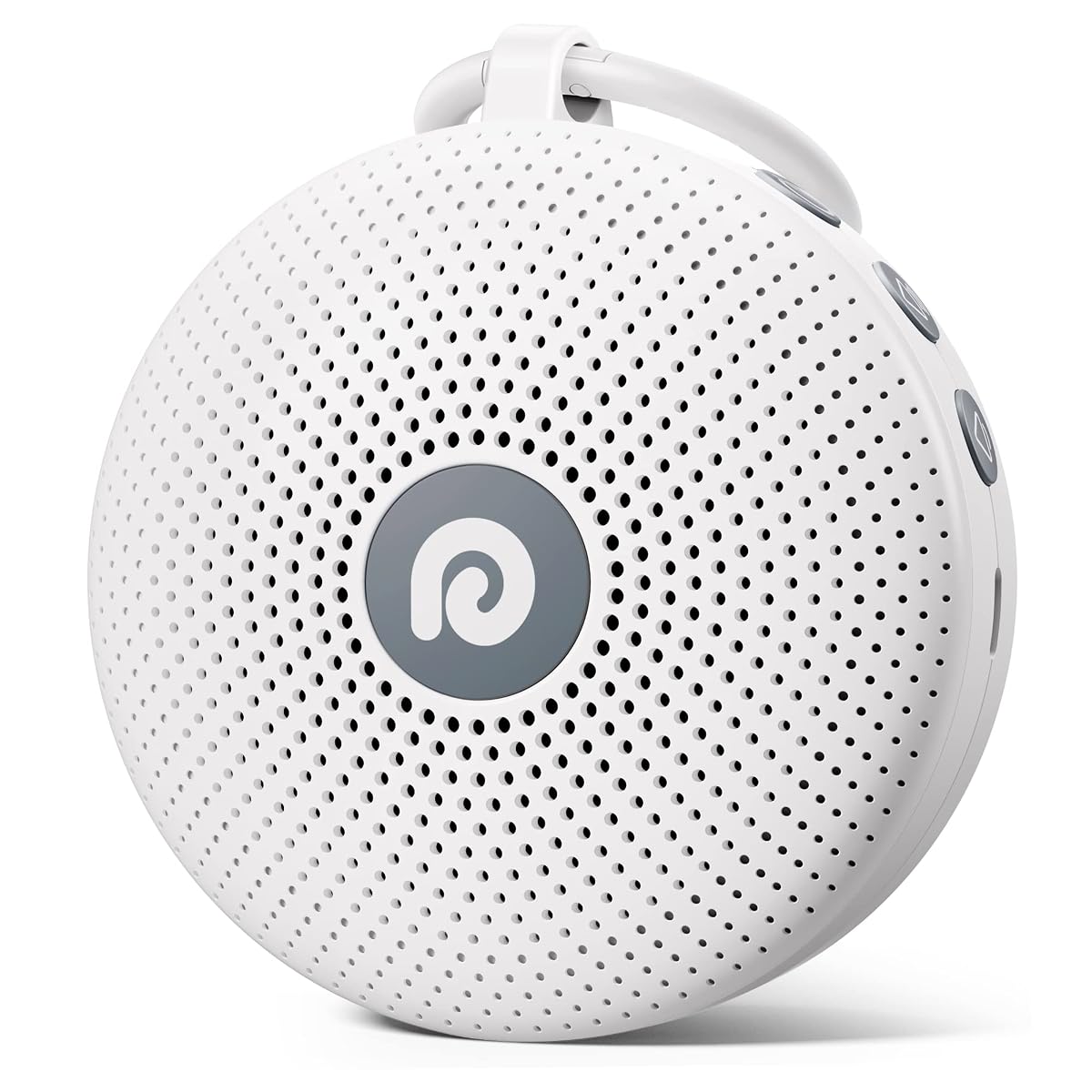
Hatch Restore 3 Sunrise Alarm
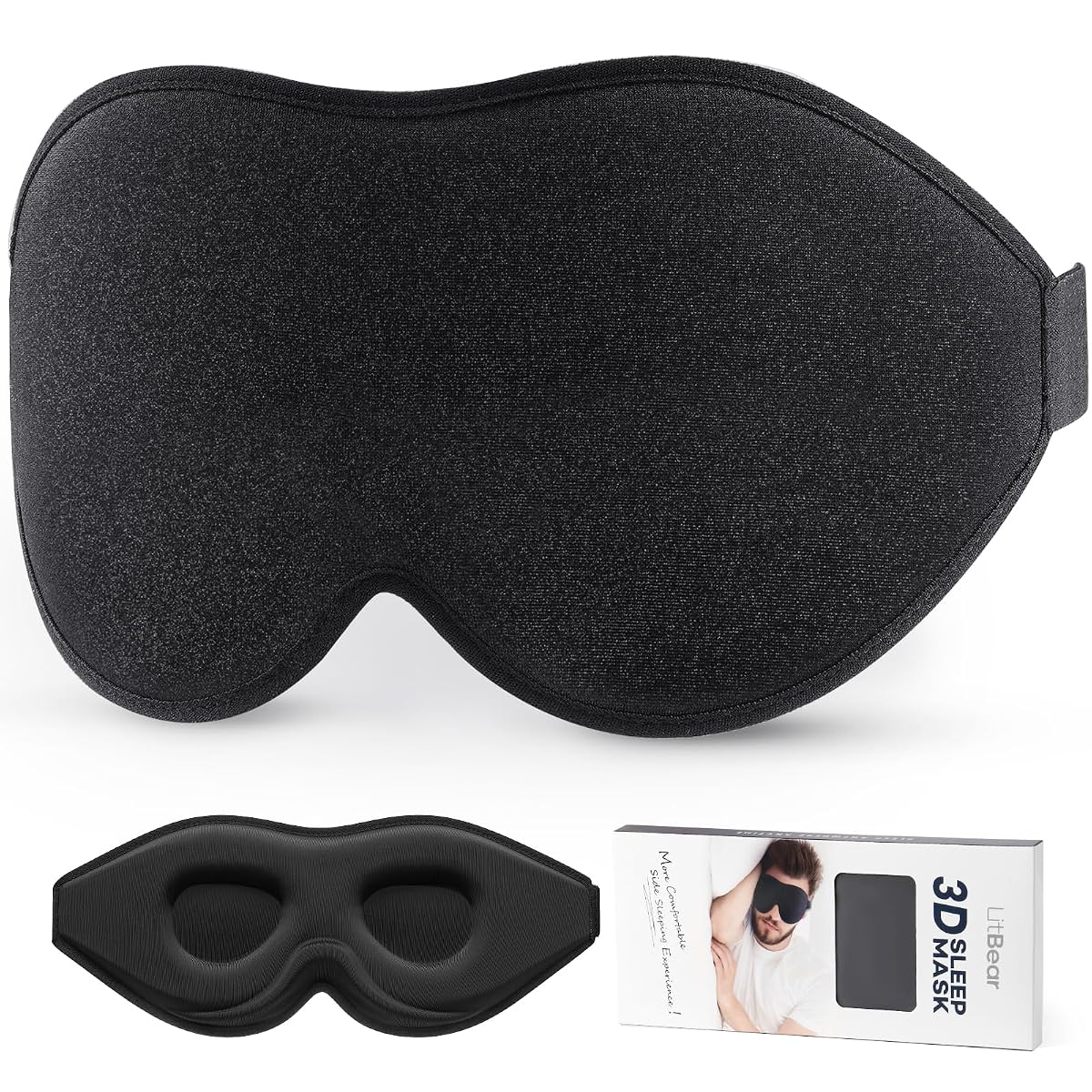
Manta Original Sleep Mask
beingvela is reader-supported. Some links are affiliate links, we may earn a small commission at no extra cost to you.
Prices are snapshots and change over time.
Shop the Everyday Essentials
The tools and gear we actually use, curated and tested by our editors.
Browse essentialsGo deeper with a guide
The Sleep Reset
A 14-day protocol to fix your circadian rhythm, deepen your sleep, and help you wake up rested without relying on supplements.
Read the guide GuideFoundations of Strength
The beginner-friendly framework to build lifelong strength with just three movements, twice a week.
Read the guide GuideEat for Energy
A practical nutrition guide to stabilise blood sugar, sharpen focus, and eat well without counting anything.
Read the guideMore in Recovery
Continue with more practical reading from this category.
 Mental Health
The 30-Minute Worry Window: A Small Boundary for a Busy Mind
A scheduled worry period can create a boundary around repetitive thoughts. Learn how to test it without treating anxiety like a productivity flaw.
 Recovery
Sleep Debt: Why Weekend Sleep Helps but Does Not Reset Everything
Sleeping longer on the weekend can reduce sleepiness, but it does not make chronic short sleep disappear. Here is a calmer way to repair a tired week.
Mental HealthRegulate Your Nervous System: A Field Guide to Calm
Stress isn't a personality trait, it's a physiological state you can measure and change. Here's how to actually shift out of it, on the days you need it most.
 Mental Health
The Anxiety-Sleep Loop: How to Break the Cycle in Two Weeks
Poor sleep amplifies anxiety, and anxiety wrecks sleep. Here's the neuroscience behind the feedback loop and the specific protocol that interrupts it.