
Sauna Protocols: What the Finnish Data Actually Shows
A 20-year study of 2,300 Finnish men found that frequent sauna use cut cardiovascular mortality nearly in half. Here's what the research actually says, the protocol that produced the effect, and why 'more heat is better' is dangerously wrong.

In 2015, researchers at the University of Eastern Finland published a study that quietly reset the science of sauna use. They had followed 2,315 middle-aged men for over 20 years, tracking sauna habits along with cardiovascular events and all-cause mortality. The pattern that emerged was striking: men who used a sauna 4-7 times per week had a 50% lower risk of fatal cardiovascular disease and a 40% lower risk of all-cause mortality compared to men who used it once a week. The effect held after controlling for exercise, smoking, alcohol, and traditional cardiovascular risk factors, and it was dose-dependent, more sessions per week and longer sessions produced larger benefits, up to a clear ceiling.
The Finnish sauna data is now some of the strongest observational evidence we have for any recovery modality, and it has driven the wave of sauna installations in gyms, wellness centers, and homes over the last decade. But the actual protocol that produced those results has been widely misrepresented, and the popular 'hotter and longer is better' framing is genuinely unsafe. This piece walks through what the research actually shows, what the effective protocol looks like, and how to build a sauna habit that produces the documented benefits without the hospital visits that some enthusiasts have earned themselves.
What actually happens in the sauna
A traditional Finnish sauna at 80-100°C causes your core temperature to rise by 1-2°C over 15-20 minutes, which triggers a set of adaptations remarkably similar to moderate cardiovascular exercise. Heart rate climbs to 100-150 bpm. Blood vessels dilate. Cardiac output roughly doubles. Blood plasma volume expands over weeks of consistent use. Heat-shock proteins are produced in large quantities, which improve cellular repair and protein folding across every tissue in the body. This is why sauna benefits look so much like exercise benefits, the underlying stimulus is genuinely similar.
The mortality benefit almost certainly comes from the cardiovascular training effect combined with the heat-shock protein response. Regular sauna use conditions the cardiovascular system in ways that overlap with what Zone 2 aerobic training does, and for older or less mobile adults who can't safely do the exercise equivalent, sauna use produces some of the same adaptations passively. This is not a substitute for exercise. But it's a genuine complement, and for the population that can't currently exercise at all, it's one of the few interventions with comparable cardiovascular effects.
"The Finnish data on sauna use is comparable in effect size to the data on structured exercise. That's not something we can say about many other passive interventions."
, Dr. Rhonda Patrick, biomedical researcher
The protocol that produced the effect
The Finnish men in the study who saw the largest benefits followed a remarkably consistent pattern: traditional dry sauna at 80-100°C (176-212°F), sessions of 15-20 minutes, 4-7 sessions per week, with rest and rehydration between multiple sessions in one visit. They did not spend 45 minutes at 110°C. They did not do infrared 'saunas' at 55°C. They did not push through discomfort as a badge of honor. The protocol was moderate temperature, moderate duration, high frequency, and that combination is what the mortality benefit is anchored to.
- Temperature: 80-100°C (176-212°F) for a traditional Finnish-style sauna
- Duration: 15-20 minutes per session, up to three sessions per visit with cool-down between
- Frequency: 4-7 sessions per week for maximum documented benefit
- Rehydrate aggressively, at least 500 ml of electrolyte water per session
- Cool down for 5-10 minutes between sessions if stacking multiple
- Skip the sauna if you're acutely ill, dehydrated, or have had alcohol in the last 4 hours
The temperature ceiling matters. Above 100°C, the risk-benefit curve inverts, heat exhaustion and heat stroke risk climb sharply, cardiovascular strain becomes potentially dangerous rather than beneficial, and there's no additional adaptive benefit above the 80-100°C range. The people who die in saunas are almost always people who pushed beyond this window, usually while dehydrated, often after alcohol. The intervention is safe when used within the documented parameters and increasingly dangerous outside them.
Infrared saunas: what the data actually says
Infrared 'saunas', cabin heaters that use infrared lamps to warm the body directly rather than heating the surrounding air, have become popular partly because they're easier to install at home and partly because they run at lower ambient temperatures (45-65°C). This lower temperature is often marketed as an advantage. In terms of the cardiovascular adaptations that drove the Finnish mortality data, it's not.
The cardiovascular training effect requires the heart rate elevation and cardiac output response that happens at true sauna temperatures. Infrared units at 55°C produce a much smaller version of that response, and while there's some evidence of mild benefits, none of it approaches the effect size of the traditional Finnish protocol. If you have access to a traditional dry sauna, use it. If your only option is an infrared unit, use it, but understand you're getting a smaller intervention, and don't expect the Finnish-study benefits to fully transfer.
The hydration piece that gets people in trouble
A 20-minute sauna session at 90°C typically causes 500-800 ml of sweat loss, and multiple sessions in one visit can push that above 1.5 liters. Sweat isn't just water, it carries sodium, potassium, and magnesium out of the body at significant rates. The people who feel dizzy, nauseous, or crash after sauna use are almost always people who replaced fluid loss with plain water and lost the electrolyte balance in the process. The sensation is usually attributed to 'toxin release' by wellness marketing; it's actually hyponatremia, and it's genuinely dangerous at the extreme end.
How to build the habit at home or at a gym
The barrier to reaching the 4-7 sessions per week frequency isn't the sauna itself, it's the logistics. A gym membership with a proper sauna, located within 10 minutes of home, is usually the difference between a sustained habit and a stalled one. Home saunas can work but are expensive and take up meaningful space; the ROI usually only makes sense if you plan to use one daily for at least 5 years, and most people who buy them use them for six weeks and then it becomes an expensive closet. The gym version is almost always the more sustainable start.
The best pairing, for people who can pull it off, is sauna after exercise. Ten to twenty minutes in a hot sauna after a strength or cardio session accelerates recovery, extends the growth-hormone response of the workout itself, and takes advantage of the fact that you're already at the gym. Adding 15 minutes to a training visit is a dramatically smaller behavioral change than making a separate trip for the sauna alone, and it's the pattern most successful long-term sauna users end up settling into.
Who should skip it entirely
The sauna is genuinely not for everyone, and the following groups should either avoid it or only use it under medical supervision: people with unstable cardiovascular disease, uncontrolled high blood pressure, aortic stenosis, or a history of arrhythmia; people who are pregnant (especially in the first trimester); people on medications that impair thermoregulation, including some antidepressants, antihistamines, and blood pressure drugs; and anyone acutely ill or febrile. For everyone else, the protocol above is well within the safety margins the Finnish data was built on.
One additional group to consider: people who use sauna as a substitute for exercise rather than as a complement. The cardiovascular benefits of sauna are real but smaller than those of actual training. If your reasoning for daily sauna use is that it replaces the need to walk or lift, you've inverted the value proposition. Sauna stacks with exercise; it doesn't replace it. The Finnish men in the mortality study weren't sedentary, they were physically active in ways typical for their generation, and the sauna was an addition to that baseline, not a substitute for it.
The one-line version
A traditional dry sauna at 80-100°C, for 15-20 minutes per session, 4-7 sessions per week, with aggressive electrolyte hydration, produces roughly a 40-50% reduction in cardiovascular and all-cause mortality in observational data. Skip it if you have unstable heart disease. Otherwise, pair it with strength and Zone 2 training and it stacks with almost every other longevity intervention you're already doing.
Tools referenced in this piece

LMNT Zero Sugar Electrolytes, Watermelon Salt (30-count)
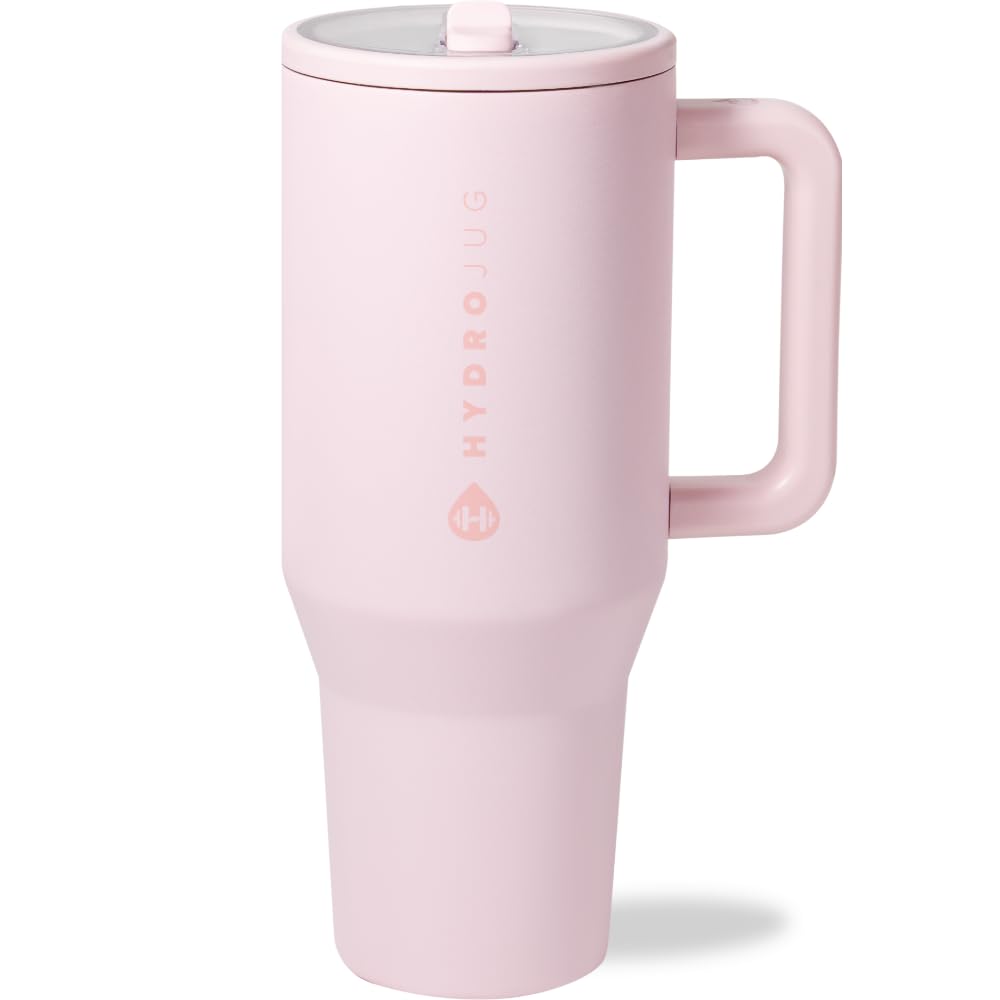
Hydro Flask 32oz Wide Mouth
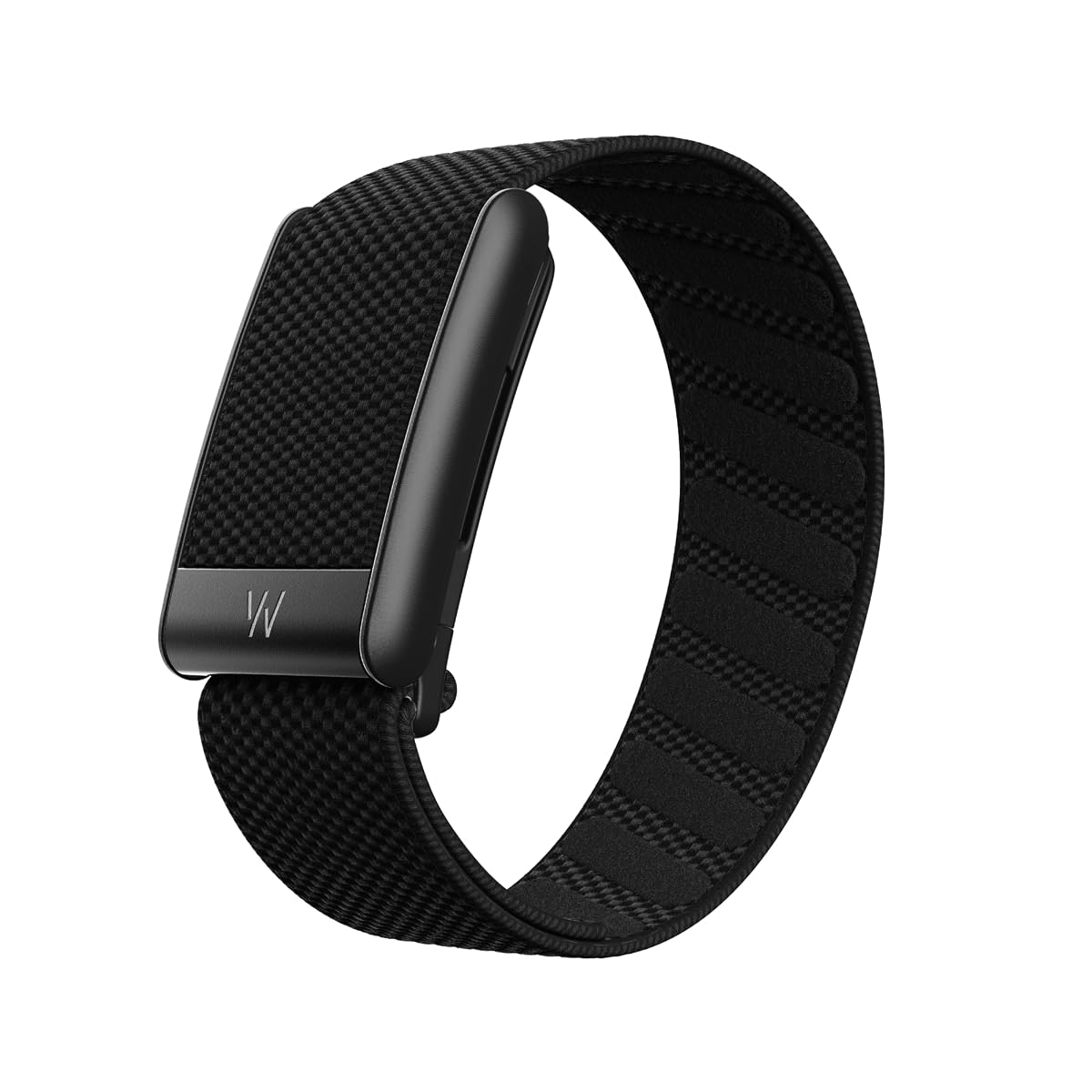
WHOOP 5.0 Activity Tracker
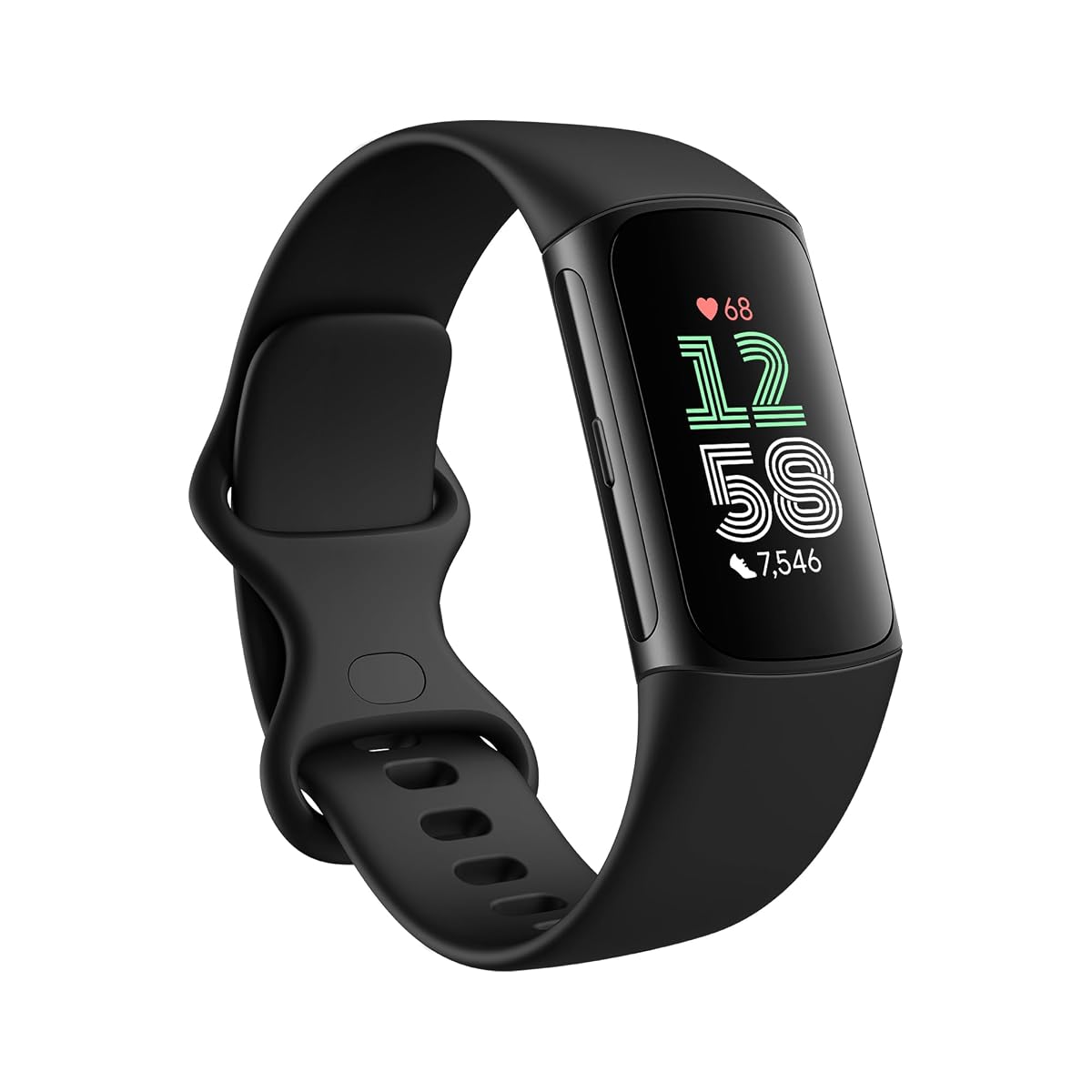
Oura Ring Gen 3
beingvela is reader-supported. Some links are affiliate links, we may earn a small commission at no extra cost to you.
Prices are snapshots and change over time.
Shop the Everyday Essentials
The tools and gear we actually use, curated and tested by our editors.
Browse essentialsGo deeper with a guide
Foundations of Strength
The beginner-friendly framework to build lifelong strength with just three movements, twice a week.
Read the guide GuideThe Sleep Reset
A 14-day protocol to fix your circadian rhythm, deepen your sleep, and help you wake up rested without relying on supplements.
Read the guide GuideEat for Energy
A practical nutrition guide to stabilise blood sugar, sharpen focus, and eat well without counting anything.
Read the guideKeep reading
 Recovery
Nasal Breathing at Night: The Overlooked Lever for Deeper Sleep
Mouth breathing quietly wrecks recovery, HRV, and morning energy. Here's the physiology, the evidence, and the simple bedroom protocol that fixes it in about a week.
 Recovery
The Science of Cold Exposure: Benefits and Protocols
Discover how intentional cold exposure can boost metabolism, resilience, and recovery. Our comprehensive guide covers the protocols for peak results.
 Recovery
Post-Workout Recovery: The 20-Minute Window That Actually Matters
The 'anabolic window' isn't 30 minutes wide, and it isn't about protein powder. Here's what the last decade of recovery research actually says, and what to do in the hour after training.