Two Days of Strength Training Is Enough to Start
A simple full-body strength plan for adults who want to start with two sessions a week, using manageable volume and room to progress.
Explore more in Fitness.

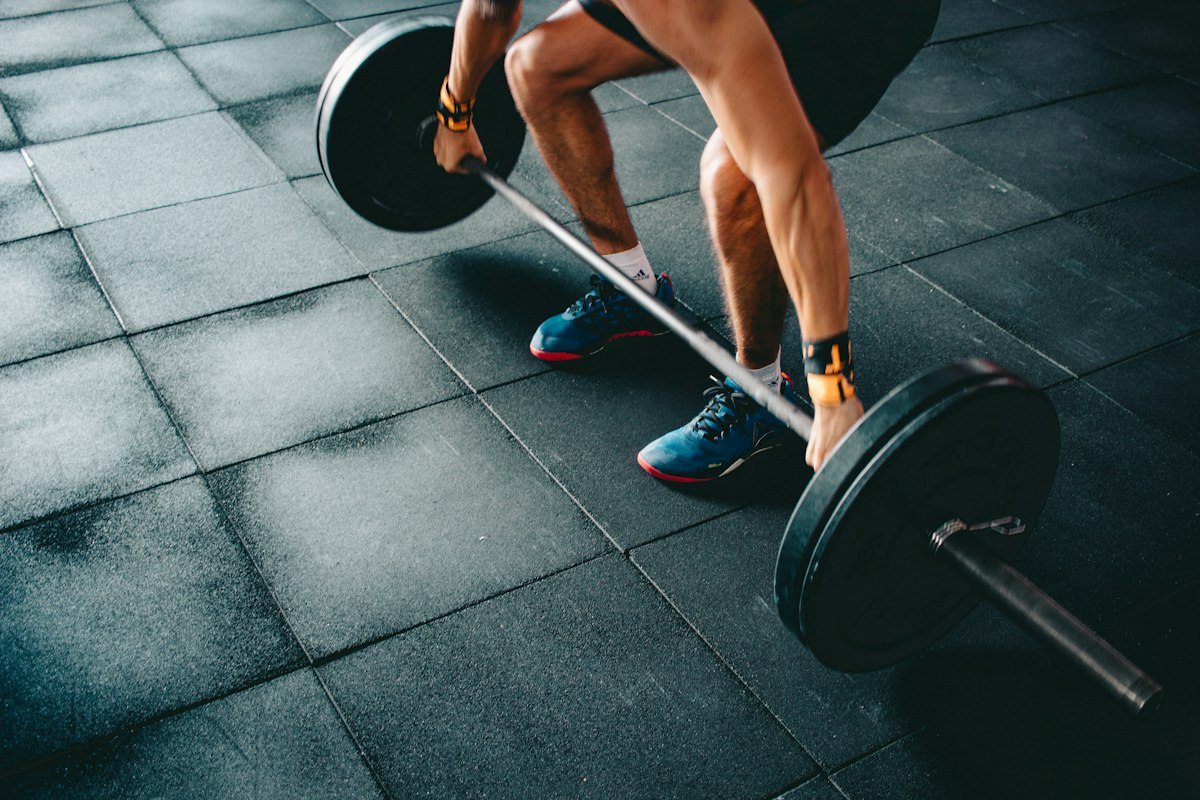
The best beginner strength plan is not the one with the most exercises. It is the one that gives each major movement a little practice, leaves you able to recover, and still fits next week's calendar. For many adults, two full-body sessions are enough to build a useful starting rhythm.
Two days is also a public-health target, not a consolation prize. The World Health Organization recommends muscle-strengthening work for the major muscle groups on at least two days a week. You can do more later. You do not need to start there.
The two-day template
Train on non-consecutive days, such as Monday and Thursday. Do two comfortable sets of each movement for 6–12 controlled repetitions. Choose a load that leaves roughly two or three good repetitions in reserve; the last rep should feel challenging, not desperate.
- Session A: squat or sit-to-stand, push-up or press, row, and carry.
- Session B: hinge or deadlift variation, split squat or step-up, overhead press, and row or pulldown.
- Rest about 1–3 minutes between sets, longer when breathing or technique has not settled.
- Finish with a few easy minutes of walking or mobility instead of adding random fatigue.
What a session actually looks like
A full-body session does not need to be long. With a short warm-up and two sets of four movements, most beginners finish in 30 to 45 minutes, including rest. The warm-up is simple: 5 minutes of easy movement, such as walking, marching in place, or gentle cycling, followed by one easy set of each movement with little or no load, just to rehearse the pattern. Then do the working sets, resting 1 to 3 minutes between sets, and finish with a few easy minutes of walking or stretching. The examples below use the template above, with one concrete version of each movement so you can start without choosing from a long list.
- Session A: sit-to-stand from a chair, countertop or knee push-up, backpack row, and a farmer carry holding a bag in each hand for 20 to 30 seconds.
- Session B: hip hinge with a light kettlebell or backpack held in front, split squat holding a chair for balance, overhead press with dumbbells or water bottles, and a lat pulldown or a second row variation.
- Do two sets of 6 to 12 repetitions for each movement, and two carries of 20 to 30 seconds instead of counting repetitions for the carry.
- Rest about 1 to 3 minutes between sets. Use the longer rest for the lower-body movements, which are usually the most tiring.
- If a movement hurts a joint or feels wrong, swap it for the easier version in the next section rather than pushing through it.
How to choose the exercises
Use the version you can perform consistently. A chair squat is a real squat. A countertop push-up is a real press. A backpack row is a real row. The pattern matters more than the equipment, and the easiest version that lets you control the full range of motion is usually the right first version.
How to pick a weight
The weight is right when the last repetition of a set feels challenging but still looks like the first one. A useful check is repetitions in reserve: stop the set when you feel you could do about two or three more good repetitions, but not five more. If you could do five more, the load is too light for strength work, and you should add a little weight or move to a harder variation. If your form breaks down before the target repetitions, the load is too heavy, and you should reduce it and finish the set cleanly. For bodyweight movements, the same rule applies by changing the leverage: move your hands lower on a countertop push-up to make it harder, or use a lower chair for a sit-to-stand. Do not chase a number on the first day. The first two weeks are for learning how each movement should feel, and the weight that teaches you that is the right weight.
Progress without turning it into a test
Keep the exercise the same until the movement feels familiar. First add repetitions within the range. Then add a small amount of load, or move to a slightly harder variation. If your technique changes dramatically, the progression was too large.
Strength improves through repeated practice and recoverable effort. You do not need to train to failure, chase soreness, or change the program every week. Write down the exercise, load, repetitions, and one short note about how it felt. That log is more useful than guessing.
What two days can and cannot do
Two sessions a week is a real dose, not a placeholder. A meta-analysis of training frequency found that strength gains were similar when the same weekly amount of work was spread over more days or fewer, which means the total work matters more than the number of sessions, at least for beginners. Two full-body days also means each major muscle group is trained twice a week, which is the frequency most guidelines point to, and it leaves two or three rest days between sessions for recovery. What two days cannot do is replace the rest of the week. They will not on their own give you the 150 to 300 minutes of moderate aerobic activity in the World Health Organization guidelines, and they will not undo a mostly sedentary week. Pair them with walking and daily movement, and treat the two sessions as the strength part of a week, not the whole week. After 6 to 8 weeks of consistent training, adding a third day is a reasonable next step if you want more, but it is not required to keep progressing.
The 20-minute version
On a crowded day, choose one lower-body movement, one push, and one pull. Do two sets of each, then stop. A short session protects the habit and gives you a clean runway for the next full session. Do not turn every missed accessory into a reason to skip the main work.
Eating and sleeping around training
Training is the stimulus, and food and sleep are what let your body respond to it. You do not need a special diet or a supplement to start, but a few basics help. Eat a normal meal with some protein in the hours around training, and aim for protein at most meals rather than saving it all for one. A meta-analysis of 49 trials found that extra protein stopped adding to muscle gain at a total intake of about 1.6 grams per kilogram of body weight per day, so for a 70 kilogram person that is about 112 grams a day, spread across meals. That figure is a population estimate, not a personal prescription, and beginners gain well on ordinary food, so treat it as a rough guide rather than a target to hit to the gram. Sleep matters just as much: muscles recover and adapt while you rest, and training on a short night usually feels harder for the same effort. If you are short on sleep, keep the session, but keep the load honest and the technique clean rather than trying to set a personal best.
The first eight weeks
A beginner program works best when it changes slowly. The first two weeks are for learning the movements and finding a comfortable load, and soreness in the first week or two is normal as your body gets used to new work. After that, progress in small steps, one variable at a time, and give each change a week or two before judging it. The outline below is a guide, not a test, and it is fine to stay on a step longer if the movement still feels new.
- Weeks 1 to 2: learn the movements. Use the easiest version you can control, two sets of 6 to 8 repetitions, and write down the load and how each set felt.
- Weeks 3 to 4: add repetitions. When you can do two sets of 12 clean repetitions, you are ready for the next step, not before.
- Weeks 5 to 6: add a small amount of load, or move to a slightly harder variation, and drop back to 6 to 8 repetitions with the new load.
- Weeks 7 to 8: repeat the cycle. Add repetitions again, and check your log: if most movements have moved up in load or repetitions, the plan is working.
- If a week is disrupted by illness, travel, or a busy schedule, do the 20-minute version once and return to the full plan the next week, rather than starting over.
- After eight weeks, keep the same movements and keep progressing them, or add a third session if you want more volume and your recovery is keeping up.
Safety is part of the program
Mild effort and muscle fatigue are normal; sharp pain, joint pain that worsens, chest symptoms, faintness, or unexplained shortness of breath are reasons to stop and seek appropriate medical guidance. If you have a significant injury, heart condition, or long period of inactivity, ask a qualified professional how to begin.
"Two ordinary sessions every week beat the perfect program you keep postponing."
Questions readers ask about two days of strength training is enough to start
Yes. Two sessions provide regular practice and meaningful weekly volume, especially for a beginner. More training can help later, but consistency and gradual progression matter more than starting with a complicated split.
Usually not. Leave a couple of technically good repetitions in reserve while you learn the movements. Training to failure is not required for progress and can make recovery and technique harder.
Use slower repetitions, pauses, a larger range of motion, or a harder variation. Sit-to-stands, countertop push-ups, split squats, backpack rows, and carries can create a useful starting program.
Give it 6–8 weeks before judging it, unless pain or another clear problem appears. Use that time to practice, record your work, and make small progressions rather than changing exercises every session.
Sources & Peer-Reviewed References
- Physical activity· World Health Organization
- Resistance training prescription for muscle strength and hypertrophy in healthy adults· British Journal of Sports Medicine / PubMed
- Effect of Resistance Training Frequency on Gains in Muscular Strength· Sports Medicine / PubMed
- World Health Organization 2020 guidelines on physical activity and sedentary behaviour· British Journal of Sports Medicine / PubMed
- A systematic review, meta-analysis and meta-regression of the effect of protein supplementation on resistance training-induced gains in muscle mass and strength in healthy adults· British Journal of Sports Medicine / PubMed
Tools referenced in this piece
Yes4All Vinyl Coated Cast Iron Kettlebell
BowFlex SelectTech 552 Adjustable Dumbbells
beingvela is reader-supported. Some links are affiliate links, we may earn a small commission at no extra cost to you.
Prices are snapshots and change over time.
Shop the Everyday Essentials
The tools and gear we actually use, curated and tested by our editors.
Browse essentialsGo deeper with a guide
Foundations of Strength
The beginner-friendly framework to build lifelong strength with just three movements, twice a week.
Read the guide GuideThe Sleep Reset
A 14-day protocol to fix your circadian rhythm, deepen your sleep, and help you wake up rested without relying on supplements.
Read the guide GuideEat for Energy
A practical nutrition guide to stabilise blood sugar, sharpen focus, and eat well without counting anything.
Read the guideMore in Fitness
Continue with more practical reading from this category.
 Physical Health
The 10-Minute Walk After Meals: A Small Habit With a Useful Payoff
A short, easy walk soon after eating can reduce the size of the post-meal glucose rise. Here is a practical version that does not turn every meal into a workout.
 Fitness
Unilateral Training: The Single-Leg Work Your Program Is Missing After 35
Most gym programs are built around bilateral lifts, squats, deadlifts, bench press. After 35, that leaves a gap. Here's why single-leg and single-arm work deserves a place alongside them as you age, and the specific movements that produce the biggest returns.
 Longevity
Grip Strength: The Overlooked Longevity Marker Nobody Trains
Grip strength predicts all-cause mortality better than blood pressure, and most people are quietly losing it every year without noticing. Here's why it matters and how to train it in 10 minutes a week.
 Physical Health
Why You Should Lift Heavy Things After 40 (Especially If You've Never Lifted)
The single most protective intervention against age-related decline isn't cardio, isn't a supplement, and isn't yoga. It's picking up heavy things twice a week. Here's why, and how to start if you've never touched a barbell.