
Five Blood Markers Worth Tracking (and What to Ignore)
Your annual GP panel probably measures the wrong things. Here are the five markers with the strongest evidence for long-term health, and exactly what to ask for at your next appointment.

The standard NHS or GP blood panel is a lightly-updated version of what it looked like in 1985. It measures a lot of things that are cheap to measure and easy to interpret, which is not the same list as the things that predict how long you'll live and how well. If you get one panel a year and you want it to be maximally useful, ask for these five markers by name. Most GPs will run them if you ask; the cost of adding them to an existing draw is small.
This is not medical advice, and interpreting these numbers is a job for your GP or a cardiology/metabolic specialist. What this piece does is tell you which numbers are worth having in the first place.
1. ApoB (apolipoprotein B)
The single best cardiovascular-risk marker in the current literature, and rapidly replacing LDL as the number cardiologists actually care about. Every atherogenic particle in your blood carries exactly one ApoB, so ApoB counts particles directly rather than measuring their cargo. If your GP only reports LDL cholesterol, you're getting a proxy for the thing you actually want to know. Ask for ApoB by name. Optimal is a debate, most preventive cardiologists target under 80 mg/dL for average risk, lower for higher risk.
2. HbA1c
Your average blood sugar over the last three months. It's not perfect, anemia and some genetic variants can throw it off, but it's the single best window into your long-run glucose regulation. Prediabetes starts at 5.7%. Every 0.5% above that roughly doubles your cardiovascular and dementia risk over 20 years. The good news: HbA1c is one of the most movable numbers on this list. Zone 2 cardio, strength training, and eating protein and fiber before starch will drop it half a point in 8 weeks in most people.
3. Fasting insulin
This is the one your GP almost certainly isn't measuring, and it's arguably the most valuable early-warning system on the panel. Fasting insulin rises for 5–10 years before HbA1c does, because your pancreas compensates for early insulin resistance by pumping out more insulin to keep glucose normal. If your HbA1c looks fine but your fasting insulin is above 10 μIU/mL, you're on the road to metabolic disease and the road is currently invisible on standard panels.
4. hs-CRP (high-sensitivity C-reactive protein)
A general-purpose marker of systemic inflammation, and one of the best single predictors of future heart disease and all-cause mortality. Optimal is under 1.0 mg/L; over 3.0 is a real signal. It's non-specific, an infection or a hard training week will spike it, so re-measure if it's elevated to confirm the trend rather than the spike.
5. Vitamin D (25-hydroxy)
Not glamorous, extremely useful. Northern-hemisphere adults are deficient at rates north of 40%, and low vitamin D is causally linked to worse immune function, worse mood, weaker bones, and higher all-cause mortality. Optimal serum is 30–50 ng/mL (75–125 nmol/L). If you're low, 1,000–2,000 IU per day with food closes the gap within 8–12 weeks. It's one of the cheapest, best-evidenced supplement moves in the entire longevity space.
"You cannot manage what you do not measure, but measuring the wrong thing is worse than not measuring at all."
, Dr. Peter Attia
What to (mostly) ignore
- Total cholesterol on its own, meaningless without a breakdown, and ApoB is better than the breakdown anyway.
- HDL cholesterol as a lever, recent Mendelian-randomisation work suggests HDL is a marker, not a mover; raising it doesn't lower risk.
- One-off testosterone readings, hugely variable, need morning fasted plus repeat before drawing any conclusion.
- Micronutrient panels sold by wellness startups, most micronutrients aren't reliably measured in blood, and the results rarely change treatment.
The one-line version
Ask your GP for ApoB, HbA1c, fasting insulin, hs-CRP, and 25-hydroxy vitamin D. Ignore total cholesterol on its own and skip the boutique micronutrient panels. Take the results to a doctor who understands preventive medicine, not to Reddit.
Tools referenced in this piece
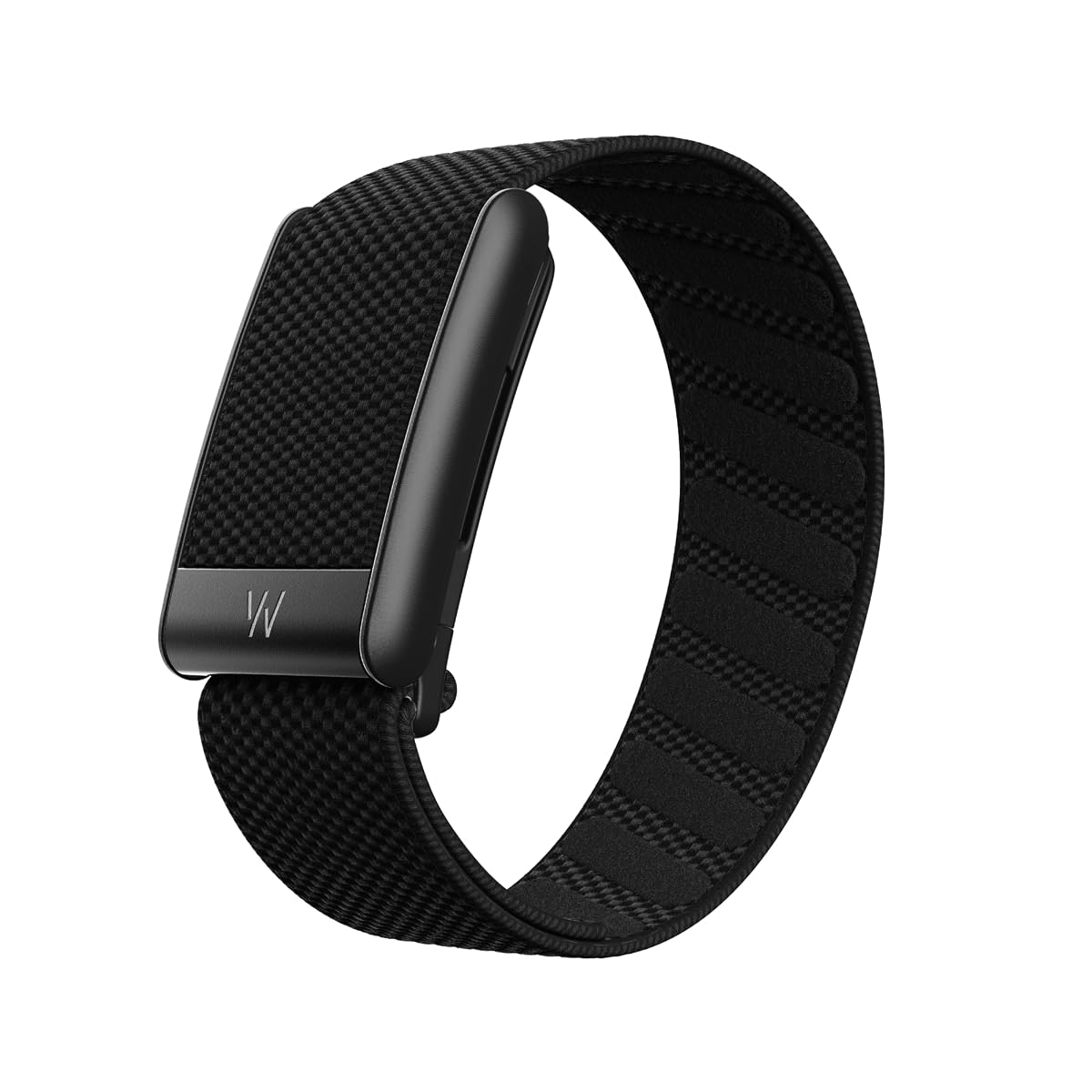
WHOOP 5.0 Activity Tracker
Oura Ring Gen 3

Thorne Creatine Monohydrate
beingvela is reader-supported. Some links are affiliate links, we may earn a small commission at no extra cost to you.
Prices are snapshots and change over time.
Shop the Everyday Essentials
The tools and gear we actually use, curated and tested by our editors.
Browse essentialsGo deeper with a guide
Foundations of Strength
The beginner-friendly framework to build lifelong strength with just three movements, twice a week.
Read the guide GuideThe Sleep Reset
A 14-day protocol to fix your circadian rhythm, deepen your sleep, and help you wake up rested without relying on supplements.
Read the guide GuideEat for Energy
A practical nutrition guide to stabilise blood sugar, sharpen focus, and eat well without counting anything.
Read the guideKeep reading
 Longevity
Grip Strength: The Overlooked Longevity Marker Nobody Trains
Grip strength predicts all-cause mortality better than blood pressure, and most people are quietly losing it every year without noticing. Here's why it matters and how to train it in 10 minutes a week.
 Longevity
VO2 Max: The Single Best Predictor of How Long You'll Live
A 2018 JAMA study found that low cardiorespiratory fitness carries more mortality risk than smoking, diabetes, and heart disease combined. Here's what VO2 max actually is, why it matters more than any other biomarker, and the training that reliably moves the number.
 Longevity
Zone 2 Cardio: The Longevity Workout You're Skipping
The unsexy, low-intensity cardio that reshapes your mitochondria, drops resting heart rate, and adds years to your healthspan, done right, and done often.