
Your Jaw Is a Breathing Problem: Mewing, Mouth Tape, and Nasal Airflow
Half the mouth-taping crowd is culty, the other half is right. Here's the honest read on jaw posture, nasal breathing during the day, and what actually moves the needle for airway health.

Somewhere between the r/mewing subreddit and the mouth-taping influencers, there's a real, evidence-supported set of ideas about jaw posture, nasal airflow, and long-term airway health. The problem is that the loud versions of these ideas either promise you a chiseled jawline in six months or claim that mouth-taping will cure your ADHD, and both of those claims are nonsense that has poisoned the well.
Here's the honest, non-culty version, what the research actually supports, what it doesn't, and the small daytime habits worth adopting.
Why the daytime matters more than the night
Most breathing content focuses on sleep, mouth tape, side sleeping, airway devices. Sleep matters, but you spend 16 hours a day awake, and if you're a habitual mouth-breather during the day, taping your mouth at night is fixing the symptom, not the pattern. Retraining daytime nasal breathing is upstream of most of the benefits people chase with nighttime interventions.
The functional-breathing literature (Patrick McKeown's Buteyko work is the most rigorous popular treatment) is consistent on this: adults who breathe nasally by default sleep better, have higher HRV, tolerate exercise at lower perceived effort, and report fewer sinus and dental issues than mouth-breathers matched for age and fitness.
The three-point daytime posture
- Lips gently sealed, breathing through the nose. Not clenched, sealed. Zero effort at the jaw.
- Teeth lightly touching or a few millimeters apart. Not clenched, not gaping.
- Tongue resting on the roof of the mouth, tip just behind (not touching) the front teeth. This is what the 'mewing' crowd calls tongue posture, the piece of their content that's actually well-supported by orthodontic literature going back decades.
This is the resting posture for a human airway that isn't compromised. Most adults have drifted out of it, mouth slightly open, tongue floored, jaw held slightly forward. Returning to the three-point posture takes 4–8 weeks to become automatic, using the anchor approach: check it every time your phone lights up.
What tongue posture actually does (and doesn't do)
Real: proper tongue posture during childhood measurably influences palate width and airway development, which is why paediatric orthodontists care about it. Real: adult tongue posture influences resting jaw tone and can reduce snoring in some people. Not real: adult tongue posture will remodel your bone structure and give you a Hollywood jawline within a year. Adult bone remodels, but slowly and modestly. Sell your Instagram feed on that basis at your peril.
Mouth tape: use case and boundaries
For adults with confirmed habitual mouth-breathing at night (partner reports snoring, wake with dry mouth, wake unrefreshed), a small hypoallergenic tape strip across the lips is a low-risk intervention with reasonable observational evidence for improving sleep quality and reducing snoring. Do not tape if you have untreated sleep apnea, active nasal congestion, or any breathing pathology you haven't discussed with a doctor. Do not tape kids. The tape is a training aid, not a treatment for real airway disease.
"The nose is not a decorative organ. It's the first stage of respiration and everything downstream depends on using it."
, Patrick McKeown
The exercise piece
Nasal breathing during zone 2 cardio is one of the highest-leverage upgrades most people can make. It caps your intensity at genuine zone 2 (if you can't nose-breathe through it, you're going too hard), it strengthens the diaphragm, and it improves CO2 tolerance, which correlates with sleep quality, panic-response threshold, and endurance performance. Start with 10 minutes of easy walking or cycling with the mouth closed. Progress by 5 minutes per week. Most people cap at 45–60 minutes of nose-only cardio, which is more than enough to hit the physiological adaptations.
The one-line version
Fix daytime nasal breathing and jaw posture first. Add nighttime mouth tape only if habitual mouth-breathing continues. Adult results are real but modest, no jawline promises, better sleep and calmer nervous system are the honest payoff.
Tools referenced in this piece
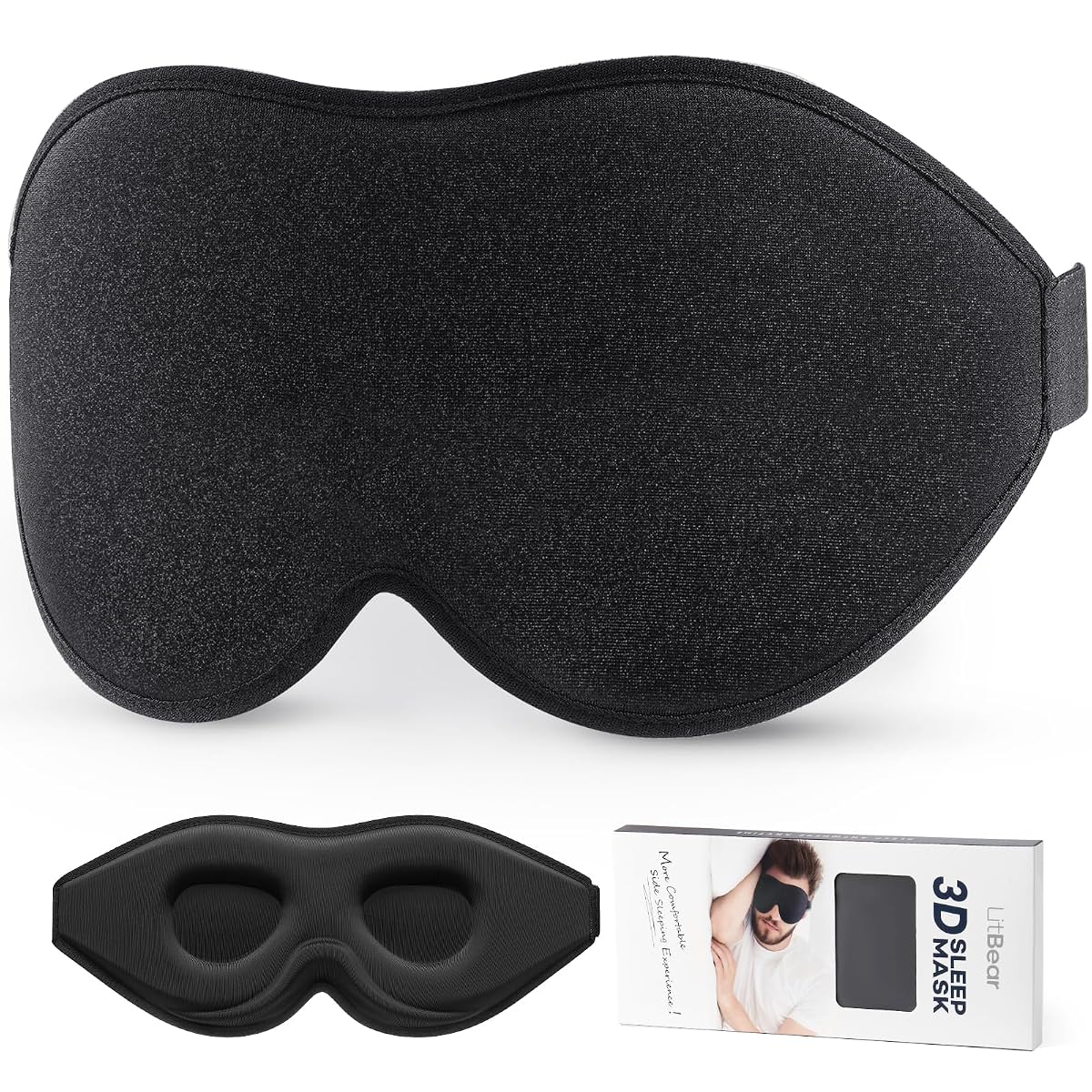
Manta Original Sleep Mask
Hostage Tape, Mouth Tape for Better Sleep
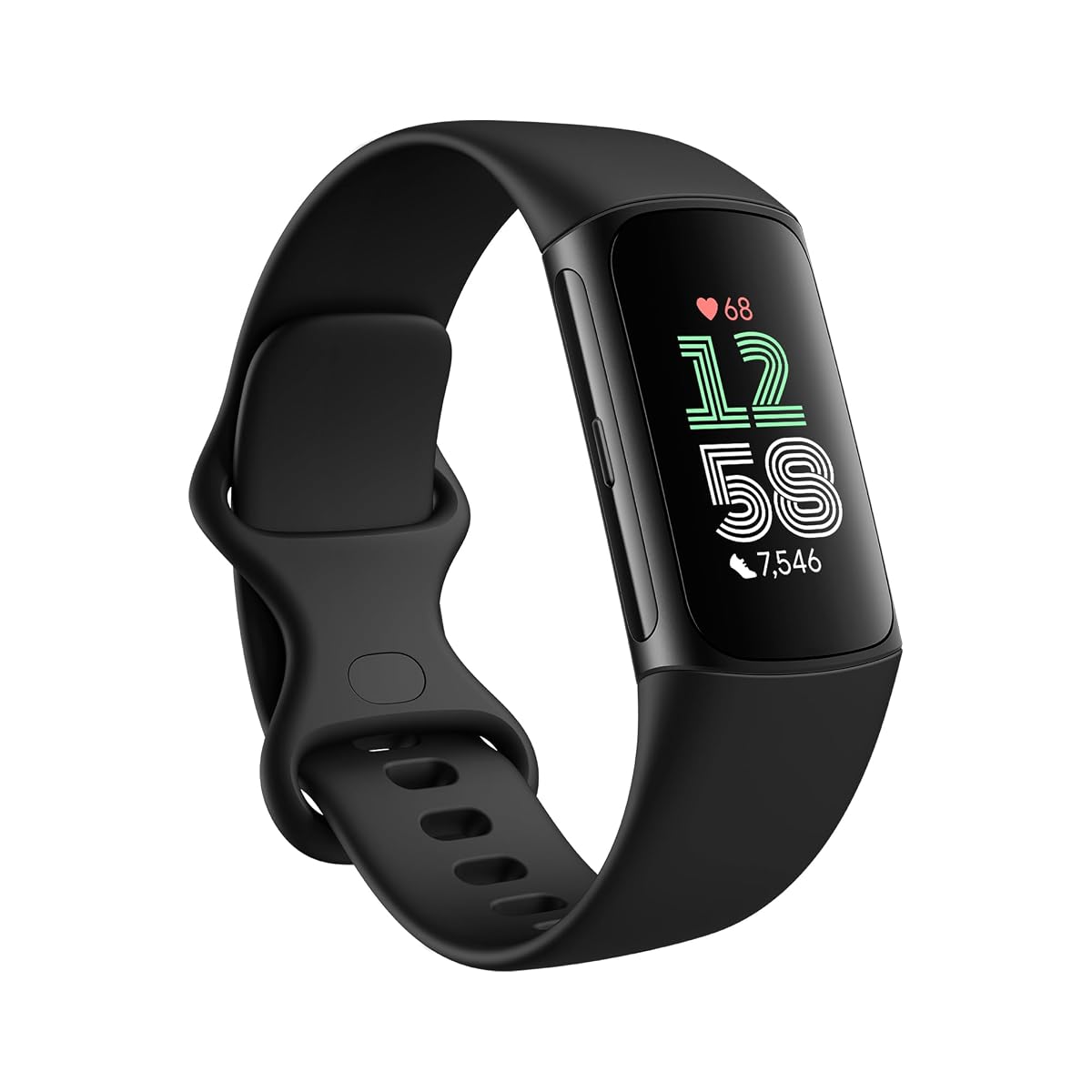
Oura Ring Gen 3
Hostage Tape, Mouth Tape for Better Sleep
beingvela is reader-supported. Some links are affiliate links, we may earn a small commission at no extra cost to you.
Prices are snapshots and change over time.
Shop the Everyday Essentials
The tools and gear we actually use, curated and tested by our editors.
Browse essentialsGo deeper with a guide
The Sleep Reset
A 14-day protocol to fix your circadian rhythm, deepen your sleep, and help you wake up rested without relying on supplements.
Read the guide GuideFoundations of Strength
The beginner-friendly framework to build lifelong strength with just three movements, twice a week.
Read the guide GuideEat for Energy
A practical nutrition guide to stabilise blood sugar, sharpen focus, and eat well without counting anything.
Read the guideKeep reading
 Recovery
Nasal Breathing at Night: The Overlooked Lever for Deeper Sleep
Mouth breathing quietly wrecks recovery, HRV, and morning energy. Here's the physiology, the evidence, and the simple bedroom protocol that fixes it in about a week.
 Mental Health
The Anxiety-Sleep Loop: How to Break the Cycle in Two Weeks
Poor sleep amplifies anxiety, and anxiety wrecks sleep. Here's the neuroscience behind the feedback loop and the specific protocol that interrupts it.
 Recovery
Fix Your Sleep in 14 Days: A Practical Reset
A step-by-step protocol to rebuild your circadian rhythm, deepen sleep, and wake without an alarm. No supplements, no gadgets required.