
The Two-Minute Mindfulness Anchors: Habit-Stacking Attention
Most people fail at meditation because they treat it as a 20-minute practice you sit down for. Anchor it to things you already do instead, kettle, elevator, red light, and it survives every schedule.
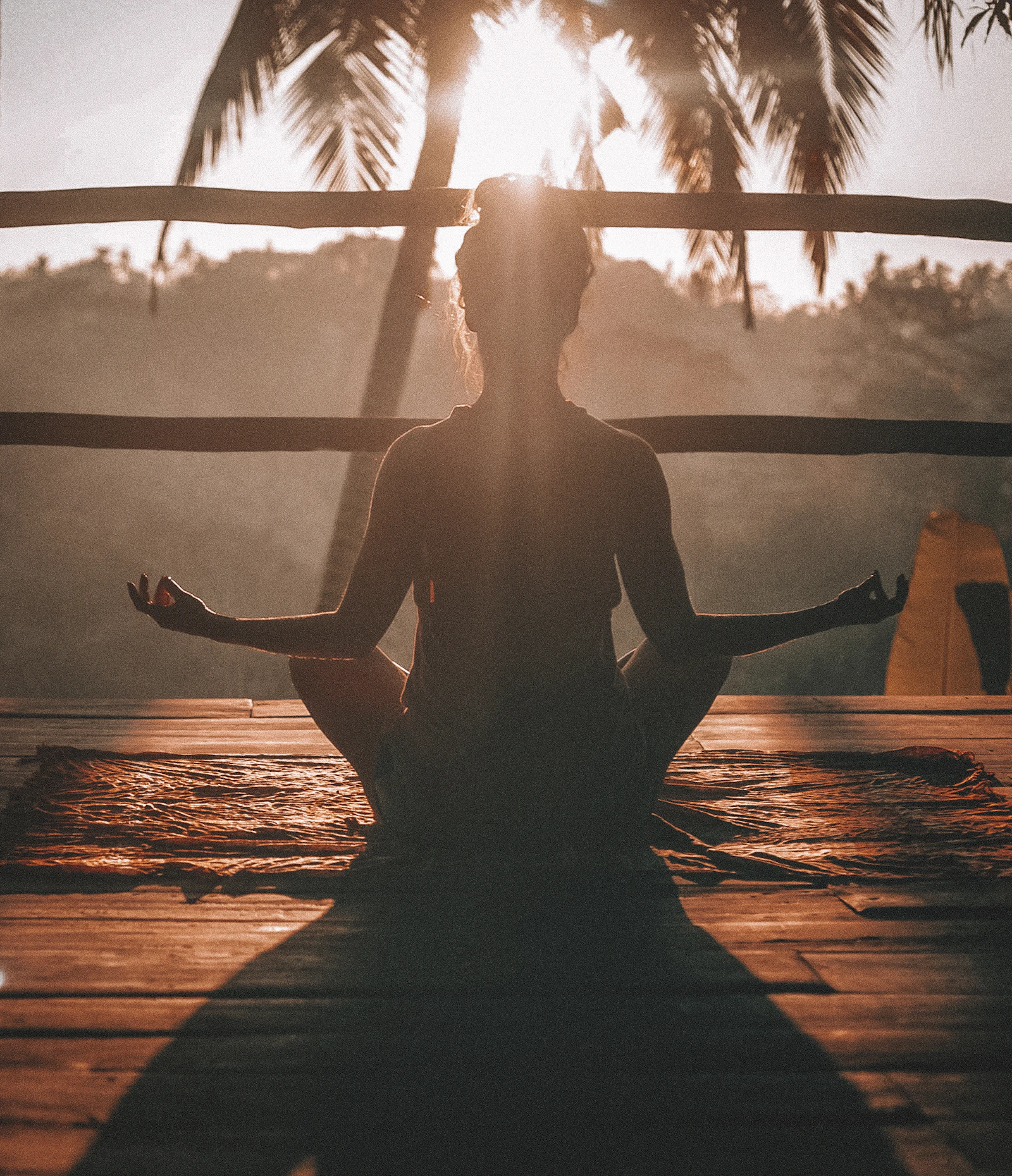
The dominant image of a mindfulness practice, cushion, 20 minutes, closed eyes, quiet room, is the reason most people bounce off the practice within three weeks. Not because they can't sit still, but because a 20-minute daily commitment is genuinely hard to protect for years, and any habit you can't sustain for years isn't giving you the benefits the studies measured.
The workaround is old and it works: stop treating attention practice as a session, and start bolting it to things you already do every day. This is habit-stacking, popularised by BJ Fogg and James Clear, applied to something the productivity crowd rarely talks about.
Why anchors beat sessions
A daily 20-minute session requires you to remember, decide, and defend the time. Three failure points, one of which will lose eventually. An anchor requires none of that. You already boil the kettle. You already stand in the elevator. You already stop at red lights. If the mindful moment happens automatically at those points, it doesn't need willpower or a calendar.
The benefits are smaller per instance but larger in aggregate: 8–12 two-minute anchors across a normal day beat a single 20-minute session for most people, especially the ones whose problem isn't 'not enough calm' but 'nervous system stuck in sympathetic drive for 14 hours straight'.
The five anchors that work
- The kettle: while it boils, one hand on the counter, five slow breaths in through the nose, six seconds out. That's 90 seconds. That's the whole practice.
- The elevator or stairs: attention on the physical sensation of your feet on each step, or the pressure changes in your ears. Anywhere except your phone.
- The red light: hands on the wheel, three long exhales, notice one thing outside the car. When it turns green, resume driving. This alone changes commute stress dramatically.
- Before the first sip of coffee: hold the cup with both hands for 30 seconds. Smell it. Then drink. Ancient technology, borderline embarrassing to describe, works instantly.
- The doorway: every time you cross a threshold at home or work, one full breath before you step through. This is called a 'threshold reset' in some traditions. It's absurd how much it prevents you from carrying the previous room's stress into the next one.
"The best meditation practice is the one you'll still be doing in five years."
, Cal Newport
The dose-response your body actually cares about
The nervous-system benefit of a mindfulness practice comes from frequency of state-switching, not duration of a single session. Ten small returns to a parasympathetic state throughout a day teaches your baseline more than one long one, because your body starts to expect it. This is why people who anchor beat people who session, in adherence studies at 6-month follow-up.
What to do if you want the sitting practice too
Do both. Use the anchors as your minimum-viable daily practice, the one that never gets skipped even on your worst day. Add a 10-minute morning sit on the days you want deeper work, and don't feel guilty on the days you don't. The anchor floor keeps you in practice; the sitting session extends the ceiling. That combination is much more robust than either alone.
The one-line version
Bolt mindfulness onto things you already do. Kettle, elevator, red light, first sip of coffee, every doorway. Ten anchors beat one session for most people, and the habit survives every schedule change life throws at it.
Tools referenced in this piece
beingvela is reader-supported. Some links are affiliate links, we may earn a small commission at no extra cost to you.
Prices are snapshots and change over time.
Shop the Everyday Essentials
The tools and gear we actually use, curated and tested by our editors.
Browse essentialsGo deeper with a guide
The Sleep Reset
A 14-day protocol to fix your circadian rhythm, deepen your sleep, and help you wake up rested without relying on supplements.
Read the guide GuideFoundations of Strength
The beginner-friendly framework to build lifelong strength with just three movements, twice a week.
Read the guide GuideEat for Energy
A practical nutrition guide to stabilise blood sugar, sharpen focus, and eat well without counting anything.
Read the guideKeep reading
 Mental Health
Meditation for People Who Hate Sitting Still
If the standard meditation advice, sit cross-legged, empty your mind, breathe, has never worked for you, you're not broken. Here's a practical approach for restless brains that actually builds the underlying skill.
MindfulnessThe Digital Sunset: How to Actually End Your Workday
Remote work erased the commute that used to close your workday. Here's a 20-minute ritual that recreates the psychological boundary, and why your evenings depend on it.
 Productivity
The 3 Non-Negotiable Morning Habits of High Performers
A structured morning routine is the psychological anchor of a high-leverage day. Discover the three pivotal habits that world-class performers share.