
The 5-4-3-2-1 Deload: A Simple Weekly Rhythm That Prevents Overreach
Athletes deload every few weeks. Knowledge workers train year-round without one and wonder why November feels like collapse. Here's a weekly framework that combines training and work stress into one rhythm.

The problem with modern life isn't that any single day is unmanageable. It's that the days don't have a shape. Training programs have shape, hard days, easy days, deload weeks. Traditional working weeks used to have shape, Sundays off, seasonal quiet periods, actual holidays. Both have eroded. What's left is a flat gray of constant medium-intensity effort, which is the exact stress profile that produces overreach without producing any of the adaptation you'd get from proper hard-easy programming.
The 5-4-3-2-1 deload is a weekly framework we've been running with readers for two years. It combines training, cognitive load, and social/emotional load into one rhythm you can plan on a single sheet of paper. It's not the only way to organize a week; it's a way that consistently produces the kind of weeks that make people say 'I feel like I got somewhere without breaking myself.'
The numbers
- 5 hard training sessions or high-intent work blocks per week (max).
- 4 nights of protected sleep (8+ hours in bed, no alcohol after 7 p.m., no screens in bed).
- 3 meals a day with real protein and vegetables (skip the snacking, protect the meals).
- 2 outdoor sessions of at least 30 minutes (walk, run, ride, garden, anything outside).
- 1 full recovery day (one 24-hour block per week with no training and no work).
Why the 5-4-3-2-1 order matters
The order is descending in flexibility. If you have a wild week, you drop from the top, cut a training session, then a deep-work block. What you don't cut is the bottom: the meals, the outdoor time, and the recovery day. That inversion is the whole trick. Most people do it backwards, they preserve the training and the work, and sacrifice the recovery day, the outside time, and the meals to a series of desk lunches. That sequence is exactly how a normal-looking week produces an over-reached body and mind by November.
The recovery day is non-negotiable
One full 24-hour block per week with zero training and zero work is doing more heavy lifting than any single training session. This is where the physical adaptation consolidates, where the nervous system dips deep into parasympathetic recovery, and where the psychological reset happens. If you're the kind of person who feels guilty taking a full day off, this is the practice for you specifically. The guilt is a symptom, not a signal.
"Recovery is not the absence of training. It's a training input."
, Alex Hutchinson
How to slot it into a real calendar
Pick your recovery day first (Sundays for most people, but any day works, some readers do Wednesdays and find it life-changing). Then place your 5 hard sessions/blocks. Then look at the rest and see what needs to shift so 4 sleep nights and 2 outdoor sessions genuinely fit. The exercise of putting this on paper takes 15 minutes and reveals immediately where your weeks are broken.
What HRV will tell you if you're doing it right
If you track HRV (Oura, WHOOP, or a chest-strap app), you'll see a specific pattern emerge within 4 weeks of running 5-4-3-2-1 consistently: your HRV rises across the week and peaks on your recovery day, then dips slightly on your first hard day and recovers by mid-week. That sawtooth pattern is what a well-organized week looks like biologically. A flat HRV line across the week is what over-reach looks like.
The one-line version
5 hard efforts, 4 protected sleeps, 3 proper meals, 2 outdoor blocks, 1 full recovery day, cut from the top when life gets loud, protect the bottom always, and the week does the recovery work for you.
Tools referenced in this piece
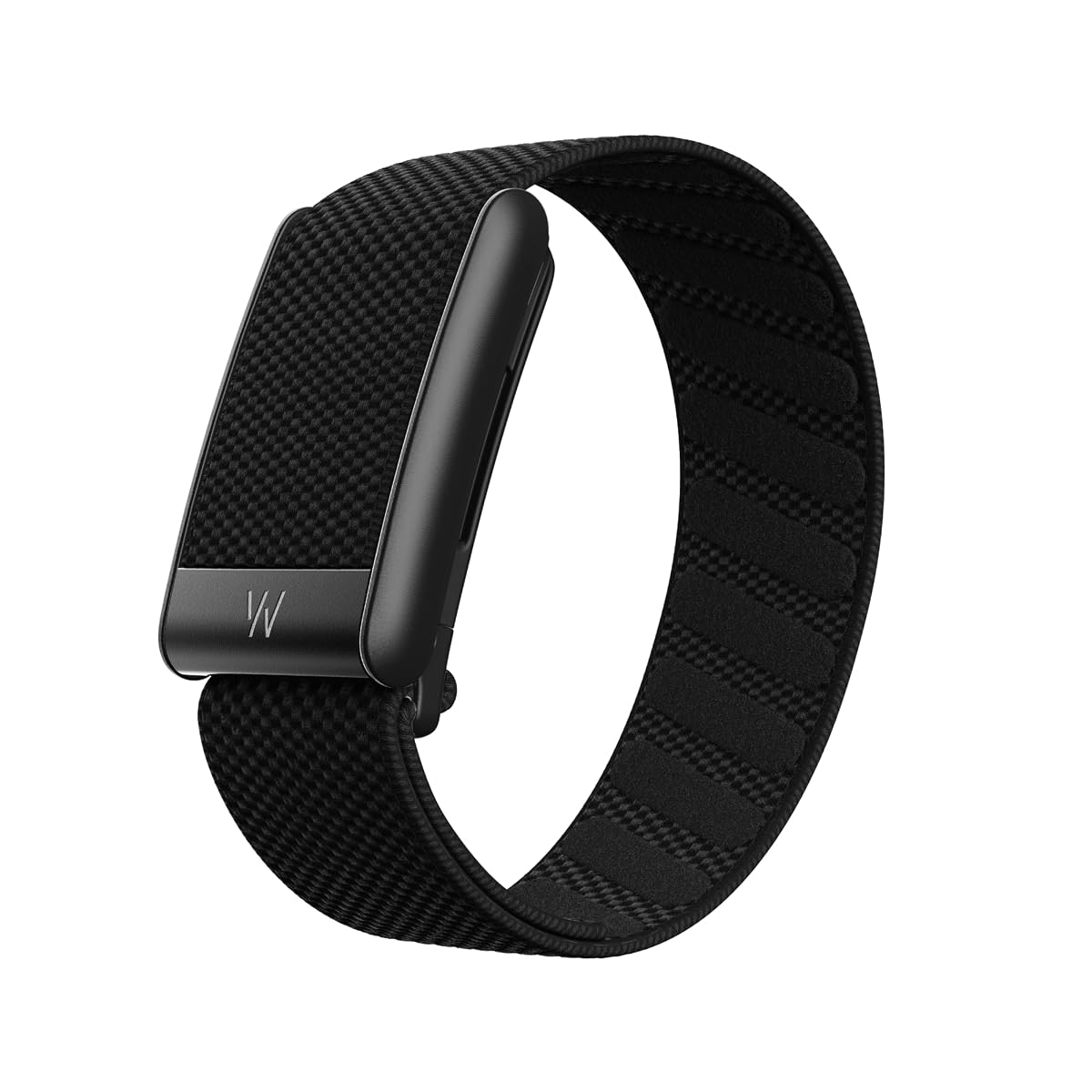
WHOOP 5.0 Activity Tracker

Oura Ring Gen 3

Hydro Flask 32oz Wide Mouth
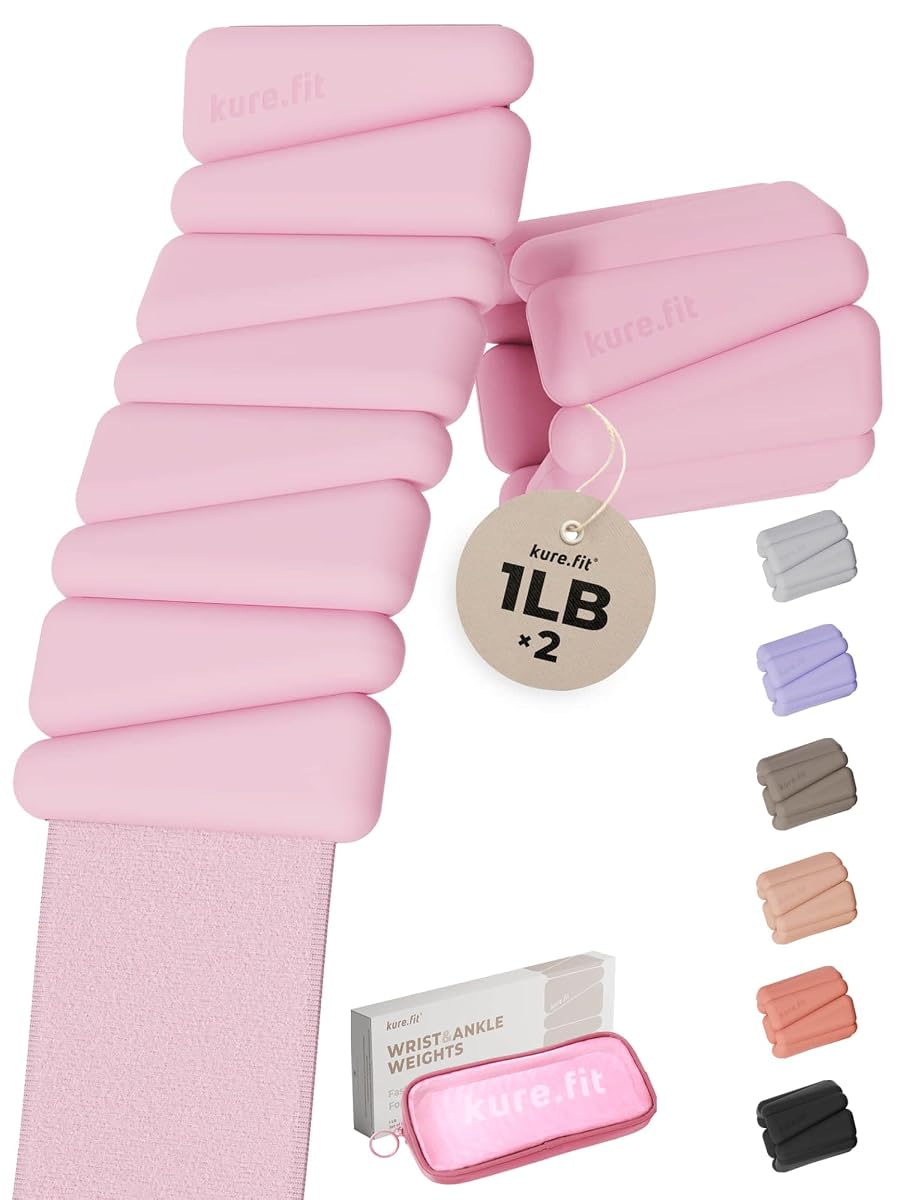
Bala Bangles (1lb pair)
beingvela is reader-supported. Some links are affiliate links, we may earn a small commission at no extra cost to you.
Prices are snapshots and change over time.
Shop the Everyday Essentials
The tools and gear we actually use, curated and tested by our editors.
Browse essentialsGo deeper with a guide
Foundations of Strength
The beginner-friendly framework to build lifelong strength with just three movements, twice a week.
Read the guide GuideThe Sleep Reset
A 14-day protocol to fix your circadian rhythm, deepen your sleep, and help you wake up rested without relying on supplements.
Read the guide GuideEat for Energy
A practical nutrition guide to stabilise blood sugar, sharpen focus, and eat well without counting anything.
Read the guideKeep reading
 Recovery
Post-Workout Recovery: The 20-Minute Window That Actually Matters
The 'anabolic window' isn't 30 minutes wide, and it isn't about protein powder. Here's what the last decade of recovery research actually says, and what to do in the hour after training.
 Mental Health
Regulate Your Nervous System: A Field Guide to Calm
Stress isn't a personality trait, it's a physiological state you can measure and change. Here's how to actually shift out of it, on the days you need it most.
 Recovery
The Science of Cold Exposure: Benefits and Protocols
Discover how intentional cold exposure can boost metabolism, resilience, and recovery. Our comprehensive guide covers the protocols for peak results.