
Post-Workout Recovery: The 20-Minute Window That Actually Matters
The 'anabolic window' isn't 30 minutes wide, and it isn't about protein powder. Here's what the last decade of recovery research actually says, and what to do in the hour after training.

For twenty years, the 'anabolic window' has been sold as a 30-minute panic. Finish your last set, sprint to the shaker, or waste the workout. It made supplement companies rich and made a lot of tired lifters feel like they'd failed a test they didn't know they were taking.
The actual research is much calmer, and much more useful. The window exists, but it's roughly the four hours after training, and what happens inside it matters less than what happens across the next 24. Here's the practical version, informed by the last decade of sports-science literature rather than the mid-2000s bodybuilding forums that most gym-floor advice still traces back to.
The one thing that actually has to happen
Get a meal with 30–45g of protein in you within about three hours of finishing training. That's it. That's the recovery window. Not 20 minutes, not 60 minutes, three hours, and there is almost no difference in muscle protein synthesis between hitting it at 30 minutes versus 2 hours (Schoenfeld's 2013 meta-analysis is the standard reference here). If you ate a normal meal 2–3 hours before you trained, you have even more slack.
The single biggest recovery mistake isn't timing, it's under-eating protein across the whole day. If you get 30g four times, spaced out, you'll out-recover the person who chugs 60g in a shaker post-workout and skips breakfast.
What to do in the first 20 minutes
Not protein. Downregulation. The 20 minutes right after a hard session are the highest-leverage window for your nervous system, not your muscles. Muscles don't care if you sit down. Your autonomic system cares a lot.
- Walk for 5–10 minutes at a conversational pace before you sit down. This clears lactate faster than lying on the floor.
- Do 2 minutes of slow nasal breathing, 4-second in, 6-second out. This pulls you out of sympathetic drive and into recovery.
- Rehydrate with 500ml of water plus a pinch of salt. Most people are 1–2% dehydrated post-training and don't feel it until the afternoon crash.
- Then eat. Solid food is fine. A shake is fine. What matters is that it happens within 2–3 hours, not 20 minutes.
"The recovery window is not a race against a stopwatch. It's a 24-hour project you happen to start after training."
, Dr. Brad Schoenfeld
The 24-hour part nobody talks about
Muscle protein synthesis stays elevated for roughly 24 hours after a training session, and 48+ hours for a novice lifter. That's your real window. What determines how much of that elevated state you convert into adaptation isn't your post-workout shake, it's the two nights of sleep that follow, your total daily protein, and whether you actually rested.
Sleep is the single most under-rated recovery input. Six hours of sleep after a hard training day cuts your recovery quality roughly in half compared to eight, in every measure that's been studied: HRV rebound, subjective soreness, next-session performance, and long-term hypertrophy.
When active recovery beats passive
The day after a heavy session, a 20–30 minute zone-2 walk or easy bike will noticeably lower soreness and speed HRV recovery compared to sitting on the couch. This is one of the most robust findings in the recovery literature and one of the most consistently ignored.
The mechanism is boring: blood flow. You're clearing metabolic waste and delivering nutrients to tissue that's rebuilding. You don't need a fancy tool for this. You need a pair of shoes and 20 minutes.
What actually doesn't matter (much)
- The exact minute you eat post-workout, if it's inside 3 hours.
- Whether you use whey, casein, or whole food, total protein wins.
- Cold plunges immediately after strength training (may blunt hypertrophy, save cold for non-lifting days).
- BCAAs if you're eating enough protein already.
The one-line version
Walk, breathe, hydrate for 10 minutes. Eat a 30–45g protein meal within 3 hours. Sleep 7–8 hours that night. Do an easy 20-minute walk the next day. Everything else is decoration.
Tools referenced in this piece
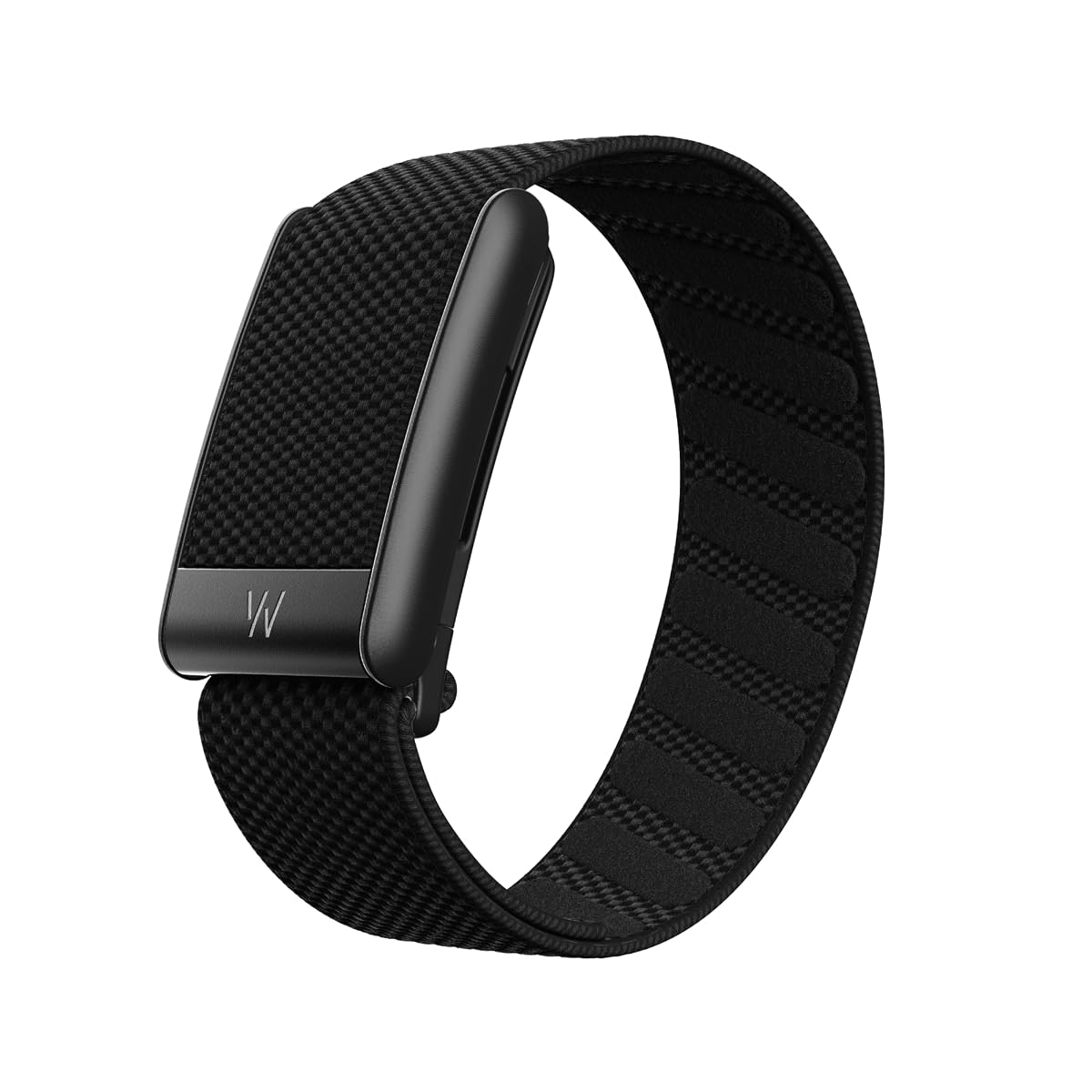
WHOOP 5.0 Activity Tracker
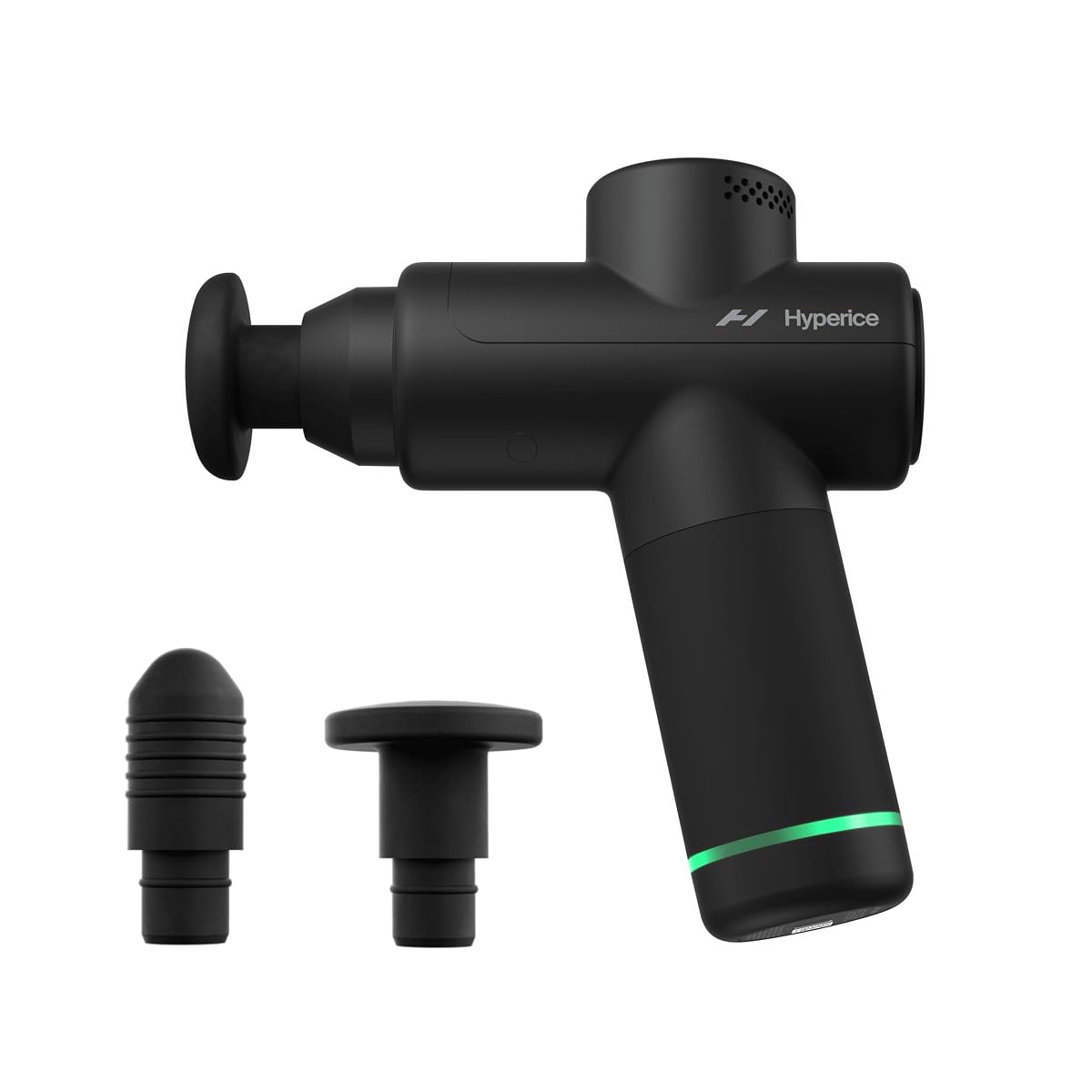
Theragun Mini (3rd Gen)
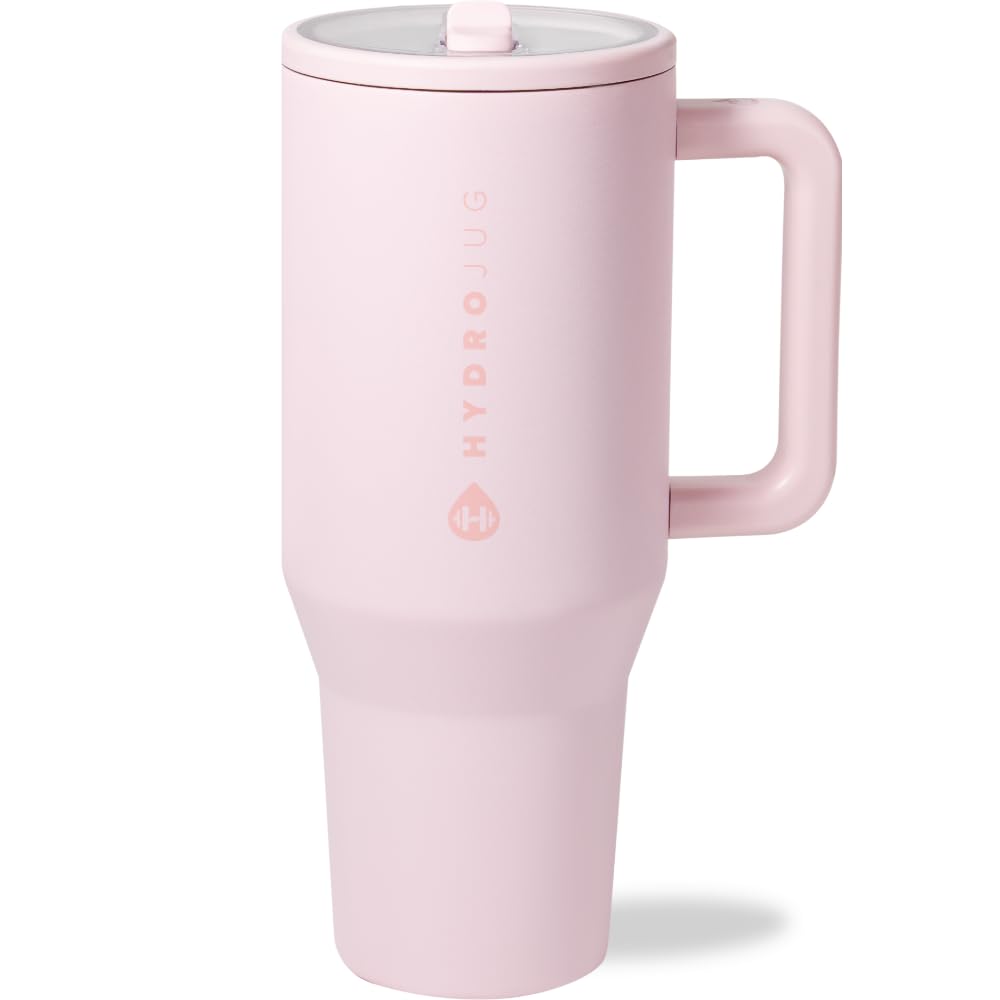
Hydro Flask 32oz Wide Mouth
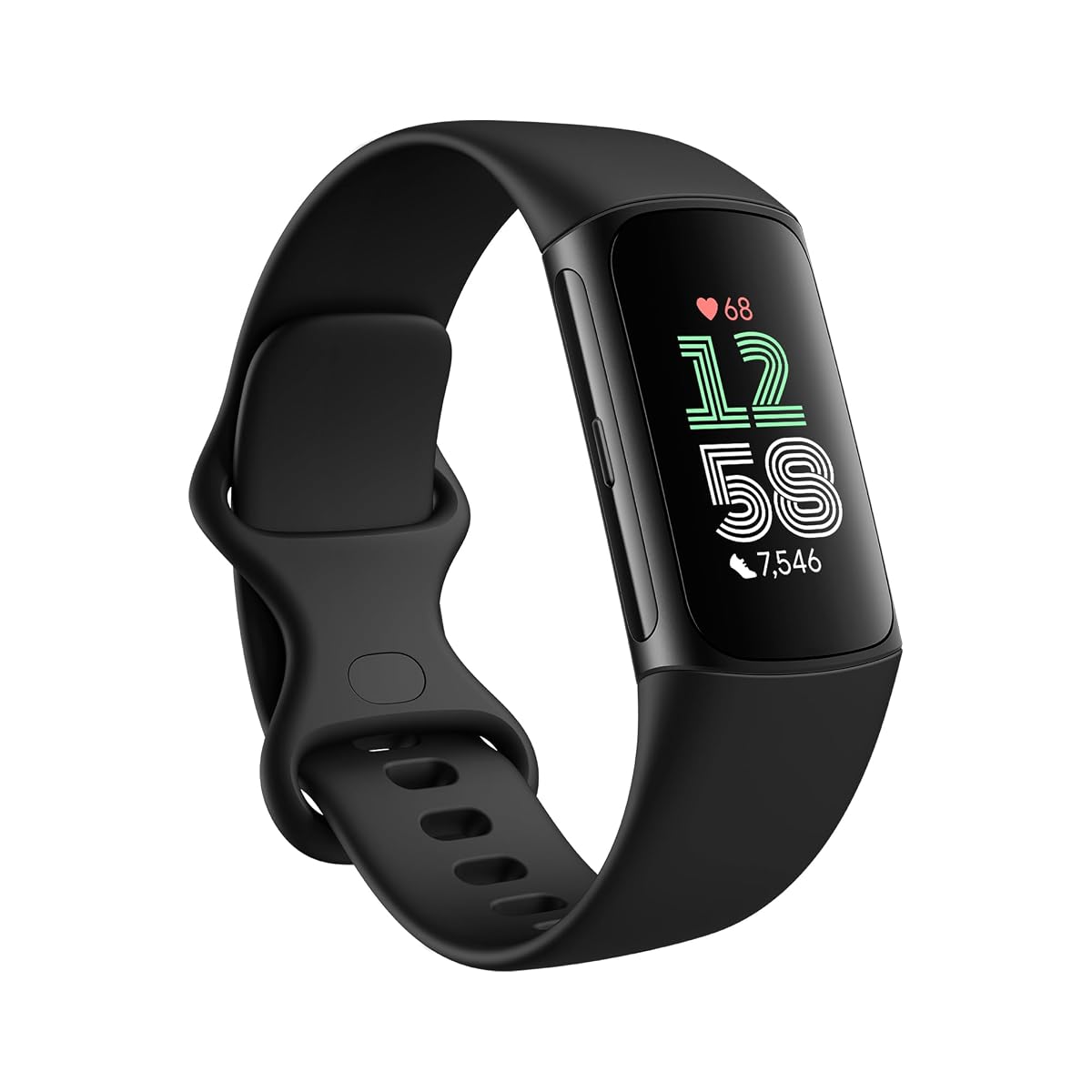
Oura Ring Gen 3
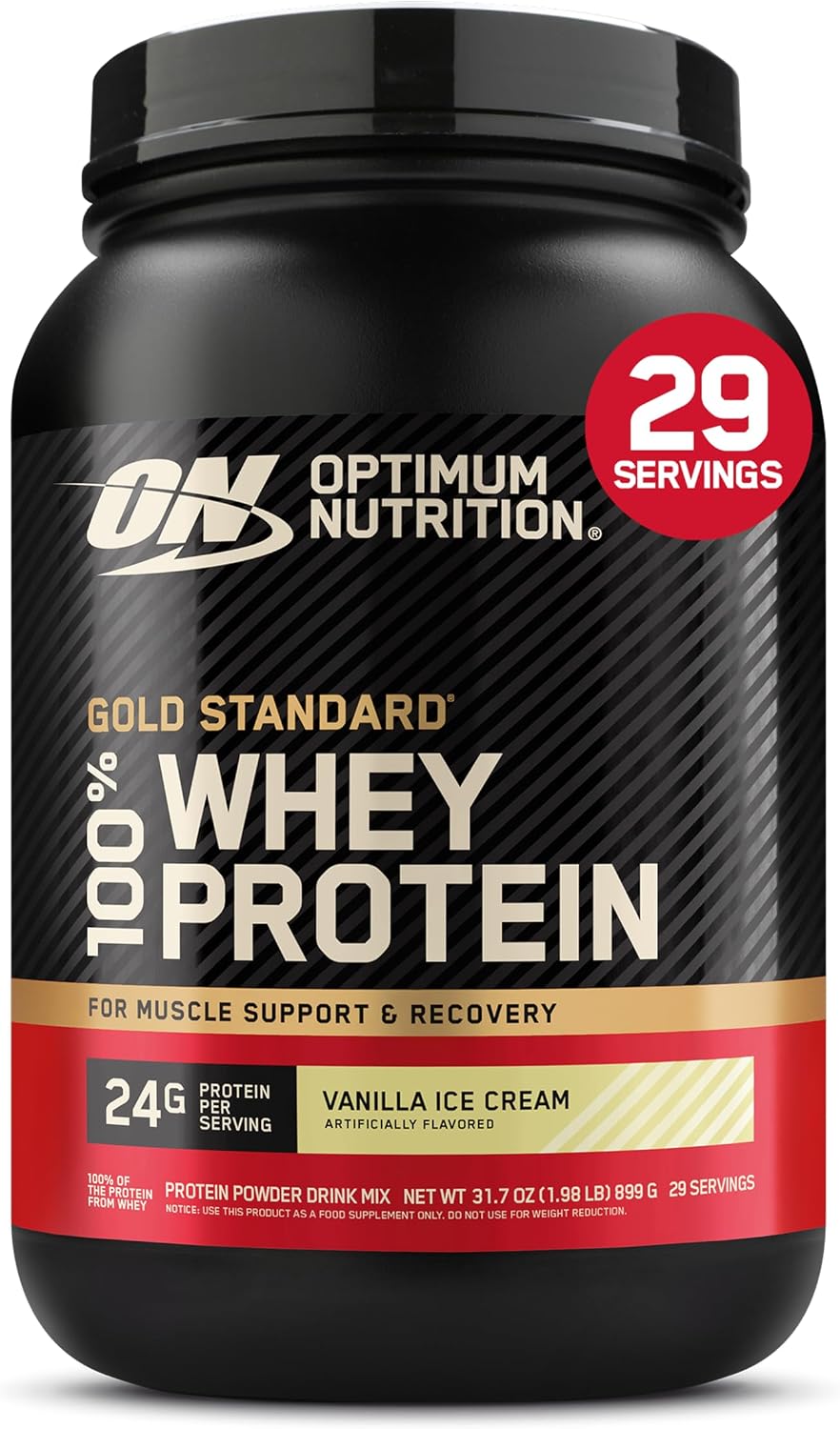
Optimum Nutrition Gold Standard Whey, Vanilla Ice Cream (2 lb)
beingvela is reader-supported. Some links are affiliate links, we may earn a small commission at no extra cost to you.
Prices are snapshots and change over time.
Shop the Everyday Essentials
The tools and gear we actually use, curated and tested by our editors.
Browse essentialsGo deeper with a guide
Foundations of Strength
The beginner-friendly framework to build lifelong strength with just three movements, twice a week.
Read the guide GuideThe Sleep Reset
A 14-day protocol to fix your circadian rhythm, deepen your sleep, and help you wake up rested without relying on supplements.
Read the guide GuideEat for Energy
A practical nutrition guide to stabilise blood sugar, sharpen focus, and eat well without counting anything.
Read the guideKeep reading
 Recovery
The 5-4-3-2-1 Deload: A Simple Weekly Rhythm That Prevents Overreach
Athletes deload every few weeks. Knowledge workers train year-round without one and wonder why November feels like collapse. Here's a weekly framework that combines training and work stress into one rhythm.
 Nutrition
Protein Timing: What Actually Matters (and What Doesn't)
The anabolic window is smaller than the supplement industry wants you to believe, and larger than most skeptics admit. Here's what the research actually says about when to eat protein.
 Recovery
The Science of Cold Exposure: Benefits and Protocols
Discover how intentional cold exposure can boost metabolism, resilience, and recovery. Our comprehensive guide covers the protocols for peak results.