
The No-Phone Morning Hour: Why the First 60 Minutes Set the Whole Day
The first thing your brain does in the morning becomes the template for the next 16 hours. Here's why a phone-free first hour is the highest-leverage productivity change most people never make, and how to actually pull it off.

There is a specific decision most people make within the first 30 seconds of being awake that shapes the next 16 hours of their day, and they don't even register it as a decision. The alarm goes off. The hand reaches for the phone. The lock screen opens to notifications, three emails, two Slack messages, a news headline, a reply to the tweet from last night. Before they've stood up, before the eyes have fully focused, the brain has already been pulled into other people's priorities and pressed into a reactive posture that then persists, quietly, for the rest of the waking day.
The most consequential single change most knowledge workers can make to their focus, mood, and output isn't a new app, a new planner, or a new productivity system. It's leaving the phone face-down for the first hour after waking. That sounds trivial. It is not. It restructures the entire posture of your day from reactive to deliberate, and the effect compounds within a week in ways that people who haven't tried it consistently underestimate.
What the first hour actually does to your brain
The 45-60 minutes after waking are neurochemically distinct from the rest of the day. Cortisol is rising sharply, which primes the brain for whatever it encounters first, that first input gets tagged as important by systems that will govern attention and mood for hours afterward. Dopamine baseline is low, which makes anything novel disproportionately rewarding. And prefrontal cortex, the part responsible for deliberate choice, is still coming online, meaning the earliest inputs bypass filtering that would normally soften their impact.
This is why a doom-scroll at 6:45 a.m. lands so differently from the same scroll at 3 p.m. In the afternoon, your brain filters the emotional noise reflexively. In the morning window, that filter is offline, and every angry headline, work email, or social media conflict gets a direct line to your nervous system. You then spend the next several hours running on the stress cocktail that first hour installed, wondering why you feel scattered even though nothing has actually happened yet.
"You don't own your day if you don't own your first hour. Whatever you let into that window gets to write the operating manual for everything after it."
, Cal Newport, computer scientist and author
The specific interventions to run instead
The point of the no-phone hour is not just to remove the phone. It's to replace it with a small set of inputs that push your nervous system in the direction you actually want the day to go. The three that do the most work: morning light, water and food, and one short bout of movement. None of them require willpower once they're built into a repeatable sequence, and together they take 20-40 minutes depending on how elaborate you want to be.
- 10 minutes of morning sunlight within 30 minutes of waking, ideally outside
- 500 ml of water before any caffeine, salt optional
- A protein-forward breakfast within 60 minutes if you eat in the morning
- 5-15 minutes of movement, walk, stretch, kettlebell swings, whatever fits
- Write down the one most important thing for the day before opening email
The morning light piece is the most underrated. Bright natural light on your retina within the first half hour after waking sets your circadian rhythm for the day, which cascades into better focus at 10 a.m., better hunger cues at noon, and better sleep pressure at 10 p.m. You do not need direct sunlight, even cloudy overcast light is 10x brighter than the brightest indoor lighting, and a 10-minute walk outside first thing does more for your sleep tonight than any supplement you could take at bedtime.
Why willpower alone doesn't work
If you try to run the no-phone hour with the phone on the bedside table and pure willpower as the barrier, you will fail within a week. This isn't a character defect. Phone use is engineered to be reflexive, and reaching for it happens below the level of conscious decision, you're holding it before you've registered wanting it. The only reliable fix is environmental: the phone lives in a different room, on a charger that is not next to your bed, and you buy a $30 alarm clock so you have no functional reason to bring the phone to the bedroom at all.
The friction cost of walking 20 feet to another room is enough to defeat the reflex. It's not that the walk itself is hard, it's that the small pause of standing up and going somewhere is enough for the prefrontal cortex to catch up and intervene. This is a general rule of habit design that applies far beyond phones: the strength of the intervention scales with the friction between you and the unwanted behavior, and 'in another room' is dramatically stronger than 'in my hand but I'll try not to look at it.'
The email trap and how to avoid it
Even people who succeed at the no-phone hour often fail at the closely related habit of not opening email as the first thing they do at the desk. The two failures come from the same source: whatever you check first becomes the frame for everything after it. Open email first, and your day is now a list of other people's requests dressed up as your priorities. Open your own plan first, and email becomes a series of inputs you process against a spine you already control.
The specific rule that works: no email for the first 60-90 minutes of the workday. Instead, review yesterday's plan, choose today's one most important thing, and do 25-50 minutes of focused work on it before any inbox opens. This flips the entire posture of the workday, you enter email with your best cognitive hours already spent on work that mattered, and email becomes a task you process rather than a wave you get hit by.
The compound effect over a month
The strange thing about the no-phone morning hour is that the benefit doesn't feel dramatic on day one, or even day three. On day one you feel a little bored. On day three you feel a little more organized than usual. Then somewhere between day 10 and day 21 you notice that the general quality of your attention has shifted in a way you didn't consciously build toward. Meetings feel less draining. The 3 p.m. crash is softer. You can read a book for 40 minutes without reaching for your phone.
The mechanism is that attention is a trained resource, and the morning hour is the highest-leverage training window in the day. Whatever you let it look like, reactive scrolling or deliberate calm, becomes the default posture your attention takes for hours afterward. A month of consistent mornings rewires the default. A week isn't quite enough. Which is why almost everyone who tries it for a week concludes it doesn't work, and why almost everyone who sustains it for a month concludes it's non-negotiable.
The weekend question
Should the rule apply on weekends? For most people, yes, the neurological effect is the same on Saturday as on Wednesday, and the habit is easier to maintain when it doesn't require decision-making about which days count. The version of this that fails is 'no phone on workdays, whatever on weekends,' because you spend Sunday retraining the reflex you just spent five days weakening. Keep the rule on the weekend and it becomes invisible within a month; break it on the weekend and it takes willpower forever.
The one legitimate weekend adjustment: extending the phone-free window rather than reducing it. Saturday mornings are the highest-leverage time in the week for anything that requires uninterrupted attention, deep reading, long walks, real conversations with people you live with, creative work you can't touch during the workweek. Some of the most valuable weekend hours most people never claim are the ones between waking and 10 a.m. on Saturday, and the phone is what usually eats them.
The one-line version
Put the phone in another room overnight. Buy a $30 alarm clock. Spend the first 60 minutes of the day on light, water, movement, and one deliberate priority before any inbox or feed opens. Do this for a full month, weekends included. Then decide whether to keep going based on what your attention actually feels like, not on what you predict on day three.
Tools referenced in this piece
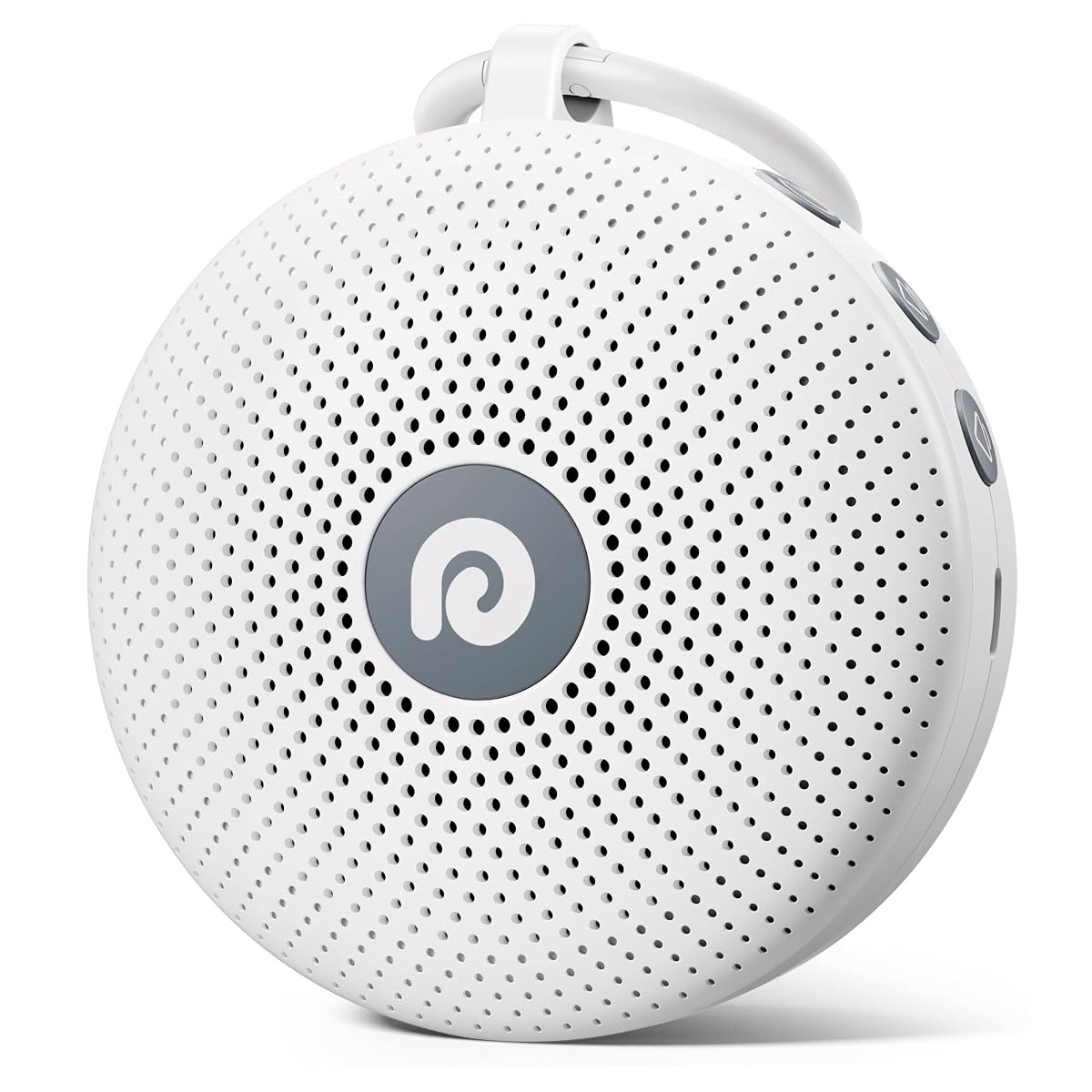
Hatch Restore 3 Sunrise Alarm
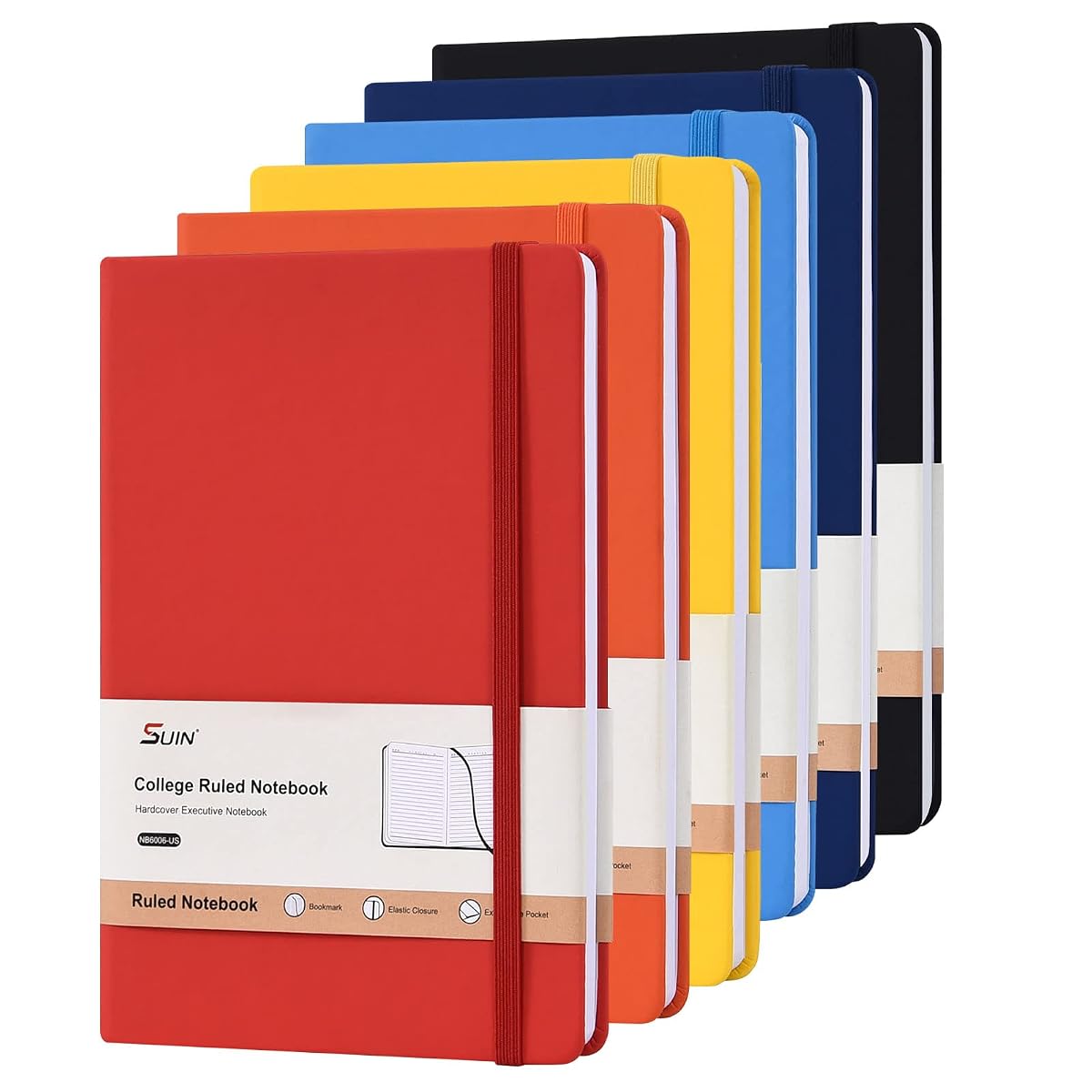
The 5-Minute Journal

Hydro Flask 32oz Wide Mouth
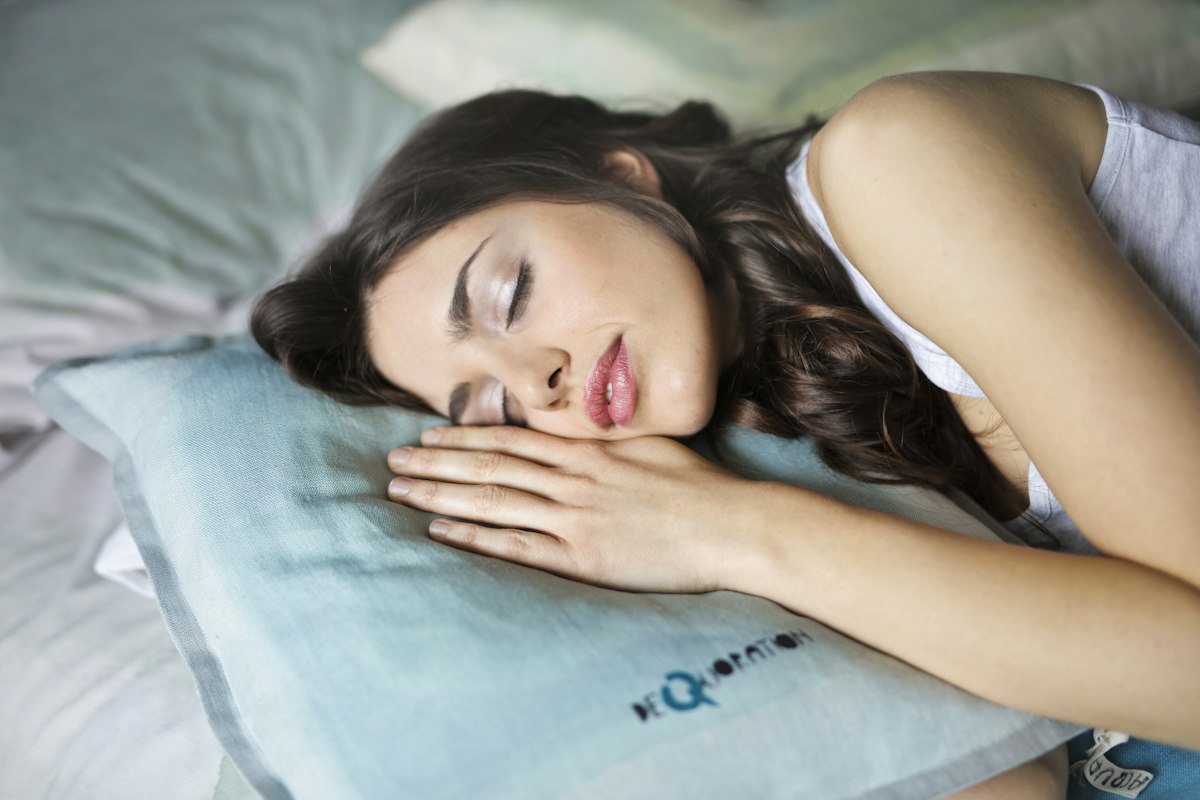
Hostage Tape, Mouth Tape for Better Sleep
beingvela is reader-supported. Some links are affiliate links, we may earn a small commission at no extra cost to you.
Prices are snapshots and change over time.
Shop the Everyday Essentials
The tools and gear we actually use, curated and tested by our editors.
Browse essentialsGo deeper with a guide
The Sleep Reset
A 14-day protocol to fix your circadian rhythm, deepen your sleep, and help you wake up rested without relying on supplements.
Read the guide GuideFoundations of Strength
The beginner-friendly framework to build lifelong strength with just three movements, twice a week.
Read the guide GuideEat for Energy
A practical nutrition guide to stabilise blood sugar, sharpen focus, and eat well without counting anything.
Read the guideKeep reading
 Productivity
The 3 Non-Negotiable Morning Habits of High Performers
A structured morning routine is the psychological anchor of a high-leverage day. Discover the three pivotal habits that world-class performers share.
 Productivity
Attention Residue: Why Multitasking Costs You 40% and How to Stop
Every time you switch tasks, part of your attention stays behind. Sophie Leroy named this 'attention residue' in 2009 and the research since has been damning. Here's the practical protocol.
 Productivity
The Weekly Review: The 30-Minute Ritual That Ends Sunday Anxiety
If your weeks feel reactive and your Sundays feel dreadful, you're missing one specific habit: a 30-minute weekly review. Here's the exact template, why it works, and how to make it stick past week three.