
VO2 Max: The Single Best Predictor of How Long You'll Live
A 2018 JAMA study found that low cardiorespiratory fitness carries more mortality risk than smoking, diabetes, and heart disease combined. Here's what VO2 max actually is, why it matters more than any other biomarker, and the training that reliably moves the number.

In 2018, JAMA published a study of 122,000 patients that produced one of the most striking findings in modern preventive medicine: low cardiorespiratory fitness was associated with a higher risk of all-cause mortality than smoking, diabetes, coronary artery disease, and end-stage kidney disease, combined. Being in the bottom fitness quartile carried a mortality hazard ratio of 5.04 compared to elite fitness, higher than any traditional cardiovascular risk factor the researchers examined. The metric they used to define fitness was VO2 max, and the study quietly reframed how longevity physicians think about what actually kills people.
If you're only going to track one biomarker for the rest of your life, VO2 max is the strongest candidate. It integrates the function of your heart, lungs, blood vessels, and mitochondria into a single number, and unlike cholesterol or blood pressure, it responds dramatically to training, meaning it's not just a diagnostic, it's a target you can actively move. This piece walks through what VO2 max actually measures, why it predicts mortality so well, how to estimate yours without lab equipment, and the specific training that reliably raises it over months.
What VO2 max actually measures
VO2 max is the maximum volume of oxygen your body can use per minute during peak exertion, normalized to your body weight (measured in ml/kg/min). At a mechanical level, it's the ceiling of your aerobic system, the point at which oxygen demand exceeds what your lungs can absorb, your heart can pump, your blood can carry, and your mitochondria can process. Below the ceiling, you can sustain effort for long periods. At the ceiling, you can hold on for maybe 8-12 minutes before failure.
The reason it correlates so strongly with mortality is that every one of those systems, lungs, heart, vasculature, mitochondrial density, is a system that ages and fails as you get older. VO2 max is essentially a stress test of your entire aerobic infrastructure at once. When the number is high, all four systems are working well and have significant reserve capacity. When it's low, one or more of them is already compromised, and the aggregate is telling you something the individual lab values often miss until it's too late.
"If we could give VO2 max the marketing budget cholesterol has, we'd add a decade to average lifespan. It's the single most important number I track in my patients, more than any lipid panel."
, Dr. Peter Attia, longevity physician
The numbers that actually matter
VO2 max is heavily age and sex dependent, so absolute numbers only mean something when compared against your age-sex cohort. The rough categories most researchers use: below average (bottom 25%), average (25-50%), above average (50-75%), and elite (top 25%). Moving from below average to above average is associated with the largest mortality benefit, roughly a doubling of expected functional lifespan compared to staying in the bottom quartile, and the jump from average to elite adds meaningful additional years on top.
Concrete benchmarks for reference. A 40-year-old man is in the 'above average' range at about 42-46 ml/kg/min, and 'elite' at 50+. A 40-year-old woman hits 'above average' at 36-40 and 'elite' at 44+. Numbers decline about 10% per decade after 30 without training, which is why an untrained 60-year-old often can't climb two flights of stairs without stopping, they've silently lost 30% of their aerobic ceiling since their 20s and are now living close to the threshold of everyday exertion.
How to estimate yours without a lab
A true VO2 max test requires a treadmill, a mask, and about $300 at a sports medicine lab. For most people, that's overkill for a first measurement. The three practical alternatives, in order of accuracy: a modern wrist wearable (Apple Watch, Garmin, Whoop, Fitbit) which uses heart rate and pace data to estimate within about 10% of lab values; the Cooper 12-minute run test (run as far as possible in 12 minutes, plug distance into a calculator); or the 1-mile walk test (walk one mile at maximum sustained pace, note time and finishing heart rate, use the Rockport formula). Any of the three gives you a number within a useful range.
The training that actually moves the number
VO2 max responds to two very specific training stimuli, and general 'cardio', the kind most people do, barely touches it. The two are: sustained Zone 2 work (60-70% of max heart rate, held for 45+ minutes), and short-interval work at or near VO2 max intensity (4-minute intervals at ~90% max heart rate, repeated 4-6 times). Both are needed. Zone 2 builds the aerobic base, the mitochondrial density and capillary network that raise the ceiling. VO2 max intervals raise the ceiling itself.
- Zone 2: 3-4 sessions per week of 45-60 minutes, easy enough to hold a conversation but slightly labored breathing
- VO2 max intervals: 1 session per week, 4x4 minutes at hard-but-not-max effort, 3-minute recoveries between
- Total weekly aerobic time: 150-300 minutes, mostly Zone 2 with one hard session
- Modality doesn't matter, running, cycling, rowing, incline walking, swimming all work
- Consistency over 12 weeks is what shifts the number; a hard week won't move it, a lazy month will drop it
The Norwegian 4x4 protocol is the most-researched interval structure for raising VO2 max specifically: four minutes at 85-95% of max heart rate, three minutes of easy recovery, four rounds, once or twice per week. Studies of adults doing this protocol for 8-12 weeks show VO2 max increases of 10-15%, which for most people is the difference between 'below average' and 'above average', and the associated mortality reduction is genuinely large.
Why most cardio doesn't count
The reason so many people who describe themselves as active have surprisingly poor VO2 max is that most casual cardio sits in what exercise physiologists call the 'gray zone', too hard to be Zone 2, too easy to be intervals, and it stimulates neither adaptation efficiently. A 45-minute gym cardio class where your heart rate averages 145-160 bpm is a workout, but it's not a targeted aerobic-development stimulus. You'll burn calories and feel tired, but the VO2 max needle won't move much because the intensity is inappropriate for both mechanisms that raise it.
The fix is not more effort. It's more polarized effort, most of your cardio time genuinely easy (conversational, boring, easier than feels productive), and a small fraction of it genuinely hard (4-minute intervals that require full attention). The middle-intensity slog that most people default to produces less adaptation per hour than either extreme, and it accumulates fatigue faster than either extreme, which is why so many gym-cardio regulars plateau within months and then quietly stop caring about the number.
The recovery variable
VO2 max improvements require recovery in a way that most amateur trainees underestimate. The adaptations happen during the days between sessions, not during the sessions themselves, the interval workout is the stimulus, but the mitochondrial biogenesis and capillary growth happen when you're sleeping. This means an aerobic training program that ignores sleep quality, hydration, and heart rate variability will produce dramatically smaller VO2 max improvements than the same program with sleep and recovery in place.
The compound effect over decades
The mortality-benefit math on VO2 max is worth internalizing. A 50-year-old man who moves from a VO2 max of 32 (below average) to 42 (above average) over two years of consistent training reduces his 10-year all-cause mortality risk by roughly 50%. That's a larger effect than any medication currently on the market. And unlike medications, the effect stacks with all the downstream benefits of the training itself, better sleep, better mood, better metabolic health, better cognitive function, better performance in almost every physical activity you'll want to do in your 70s.
The reason this works out so favorably is that VO2 max isn't a single-purpose metric. Raising it means you've built the aerobic base that supports every other system in the body, and the training required to raise it happens to be the same training that reduces cardiovascular disease, improves insulin sensitivity, protects cognitive function, and preserves the mitochondrial density that determines your energy floor as you age. It is the closest thing to a single lever that moves everything, and the return on 200 minutes a week of well-structured aerobic training is difficult to overstate.
The one-line version
Measure your VO2 max via a wearable or a 12-minute run test. If you're below average for your age and sex, spend 12 weeks doing three 45-minute Zone 2 sessions plus one 4x4 interval session per week. Recheck. Then hold that pattern for the rest of your life. There is no single other intervention with a comparable mortality-and-quality-of-life return on the time invested.
Tools referenced in this piece
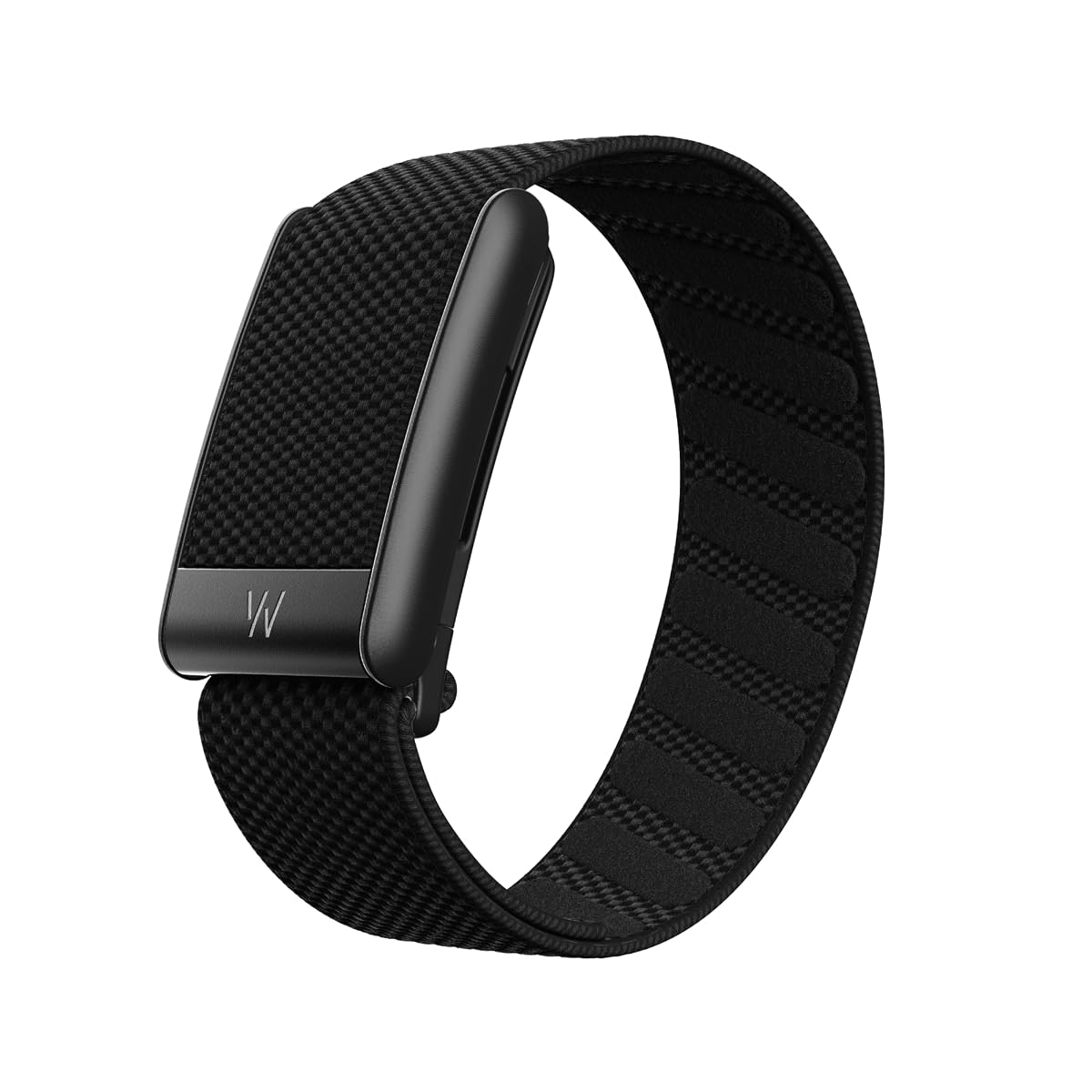
WHOOP 5.0 Activity Tracker
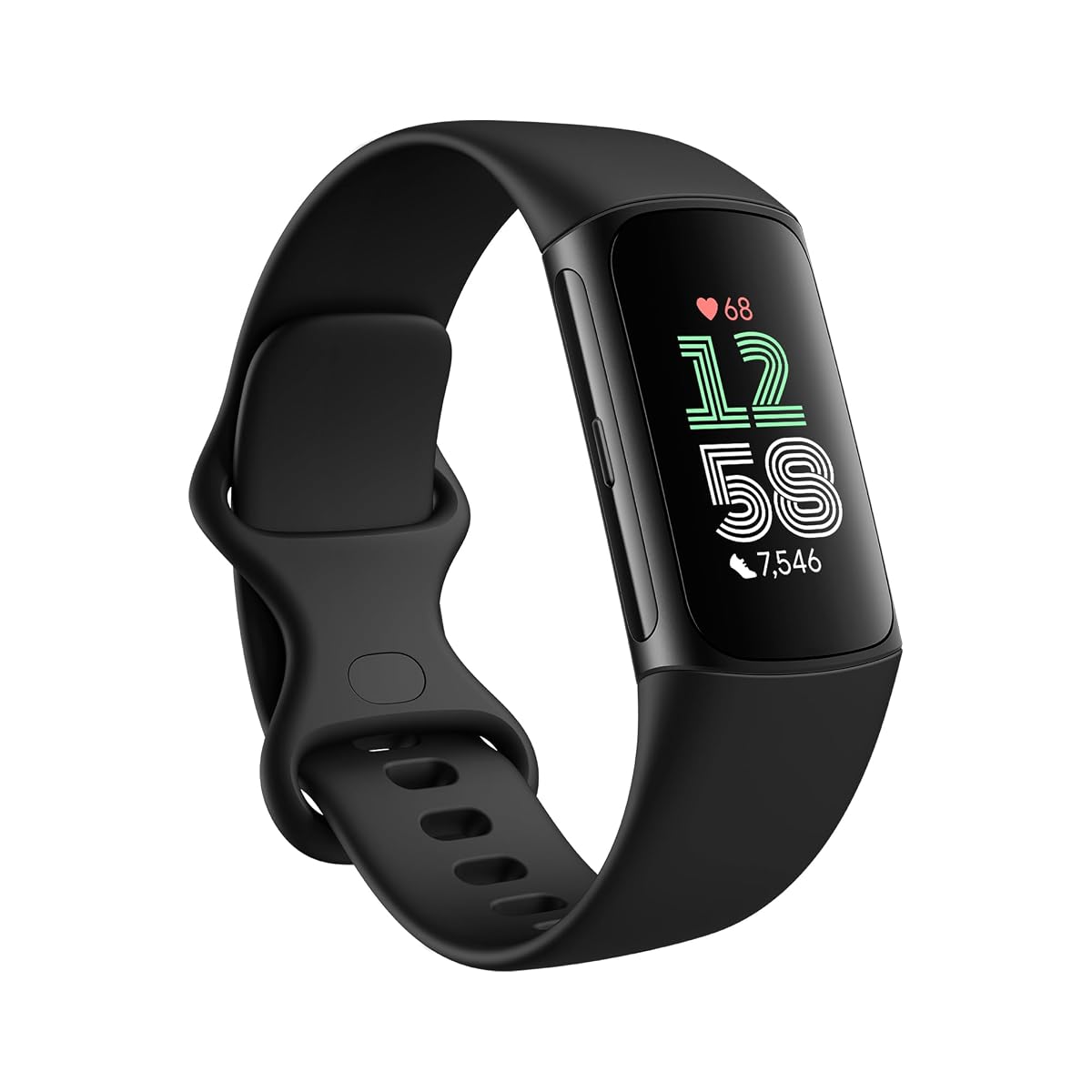
Oura Ring Gen 3
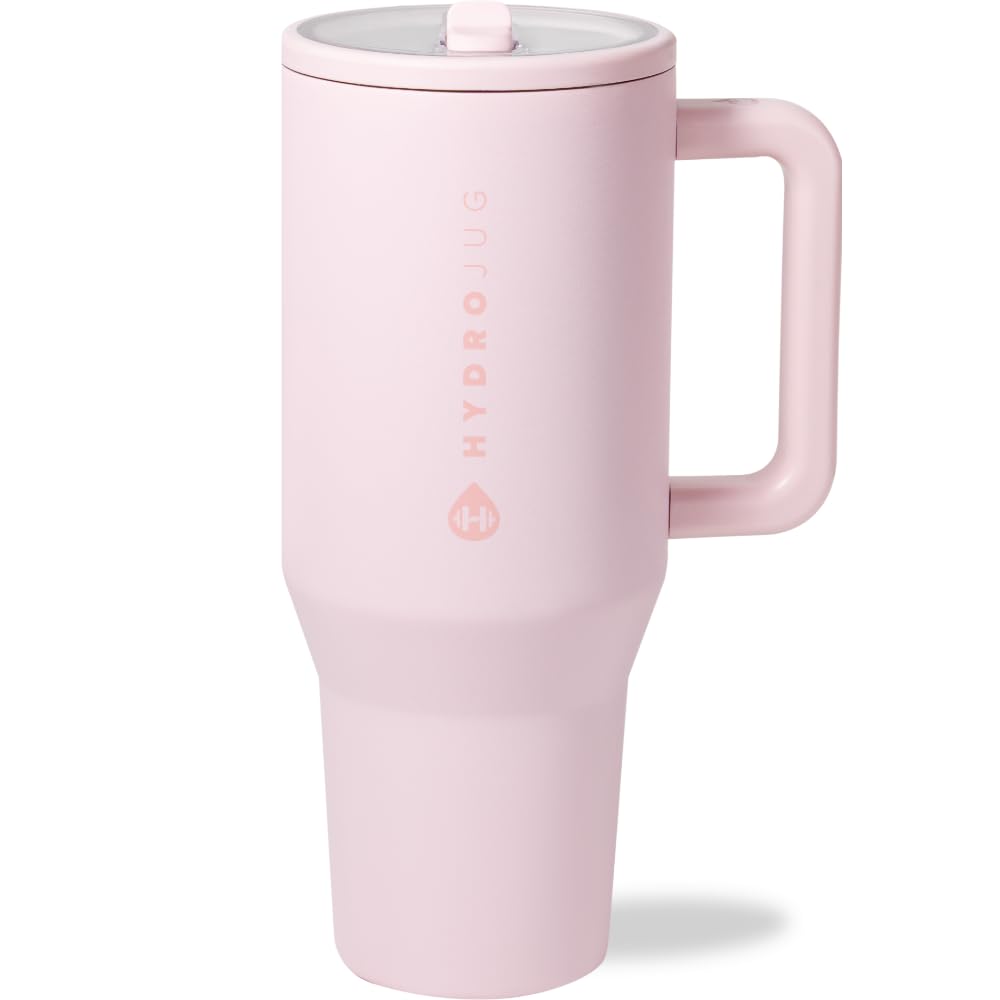
Hydro Flask 32oz Wide Mouth

LMNT Zero Sugar Electrolytes, Watermelon Salt (30-count)
beingvela is reader-supported. Some links are affiliate links, we may earn a small commission at no extra cost to you.
Prices are snapshots and change over time.
Shop the Everyday Essentials
The tools and gear we actually use, curated and tested by our editors.
Browse essentialsGo deeper with a guide
Foundations of Strength
The beginner-friendly framework to build lifelong strength with just three movements, twice a week.
Read the guide GuideThe Sleep Reset
A 14-day protocol to fix your circadian rhythm, deepen your sleep, and help you wake up rested without relying on supplements.
Read the guide GuideEat for Energy
A practical nutrition guide to stabilise blood sugar, sharpen focus, and eat well without counting anything.
Read the guideKeep reading
 Longevity
Zone 2 Cardio: The Longevity Workout You're Skipping
The unsexy, low-intensity cardio that reshapes your mitochondria, drops resting heart rate, and adds years to your healthspan, done right, and done often.
 Fitness
Why Walking Is the Most Underrated Longevity Habit
Forget 10,000 steps. The science on walking is more nuanced, and the benefits are more absurd, than most people realize.
 Longevity
Grip Strength: The Overlooked Longevity Marker Nobody Trains
Grip strength predicts all-cause mortality better than blood pressure, and most people are quietly losing it every year without noticing. Here's why it matters and how to train it in 10 minutes a week.